On this page
- Optional upgrades (luxury touch)
- Next steps
- Bichon Frise Dental Care: Brushing, Chews, and Real‑Life Tips
- The best routine (simple and doable)
- Daily (or as close as you can)
- Weekly
- As needed
- How to brush without a struggle
- Are dental chews worth it?
- Signs you should call the vet
- Dental care checklist
- Bichon Dental Routine
- The takeaway
- Related guides
Looking for a clear, friendly guide? Here’s a quick, practical snapshot tailored to this topic.
Quick take:
- Key tips you can apply immediately.
- Common mistakes to avoid.
- A simple routine to keep your Bichon happy and healthy.
Optional upgrades (luxury touch)
If you want an extra‑comfort experience, these upgrades are completely optional but feel great in daily life:
- Plush, washable bed with supportive padding.
- Professional grooming spa visit for a polished coat.
- Stainless steel or ceramic bowls for a premium feel.
Next steps
Explore related guides on the site to go deeper.
Looking for a clear, friendly guide? Here’s a quick, practical snapshot tailored to this topic.
Bichon Frise Dental Care: Brushing, Chews, and Real‑Life Tips
Small dogs like Bichons can develop plaque quickly, so a consistent routine matters more than expensive products. The goal is simple: reduce plaque, protect gums, and catch problems early.
The best routine (simple and doable)
Daily (or as close as you can)
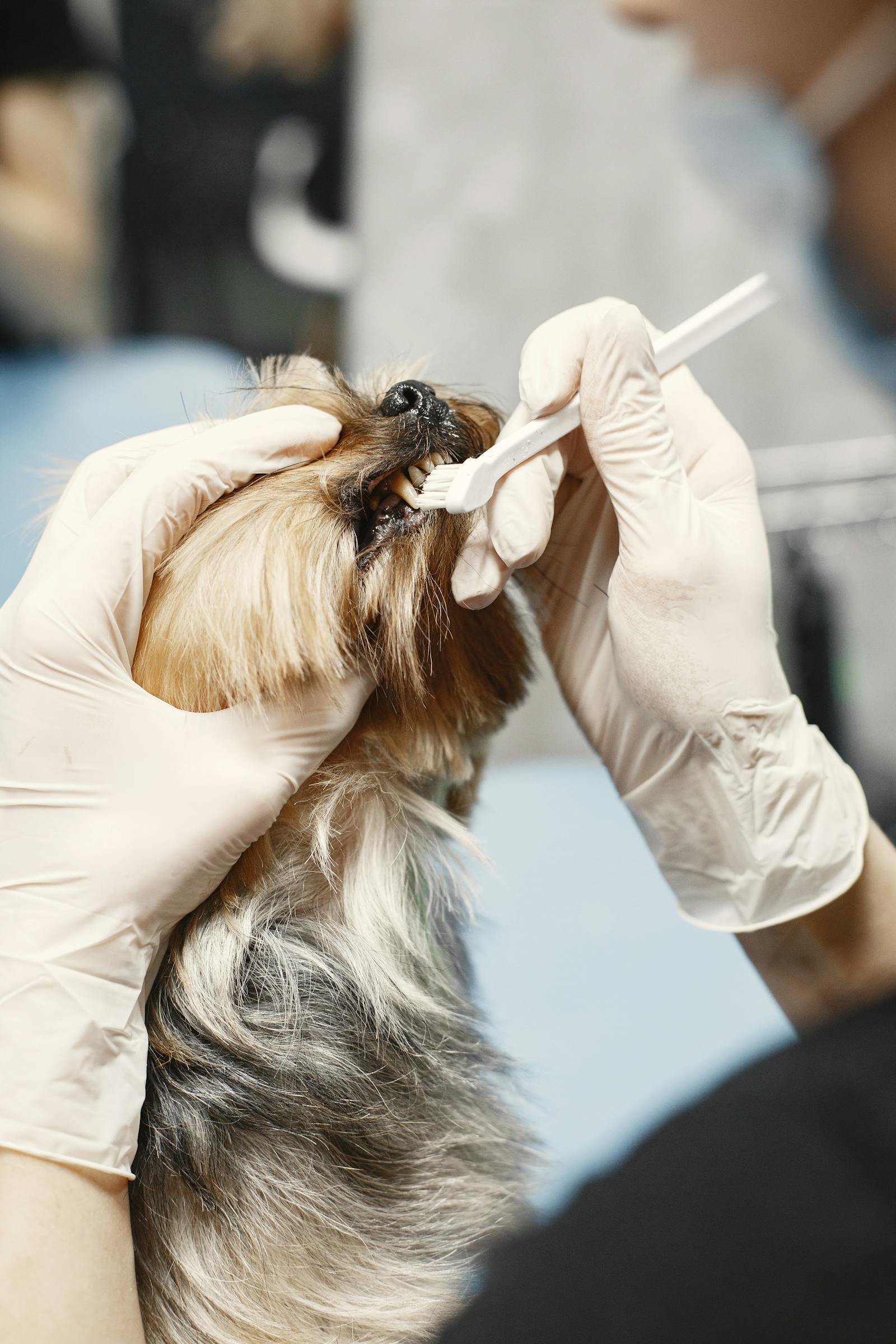
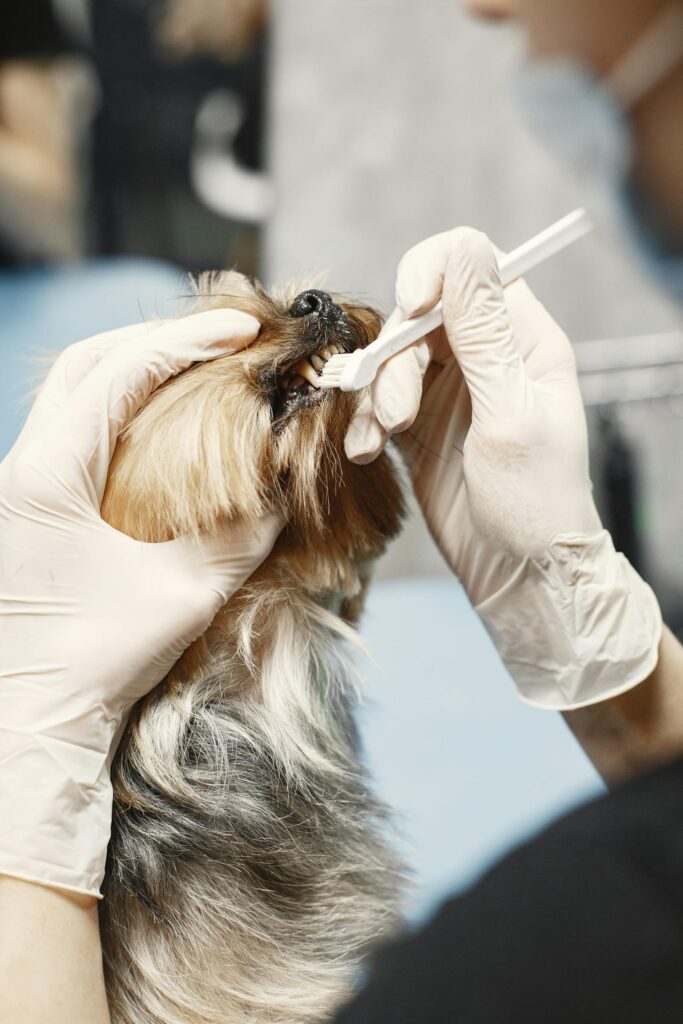
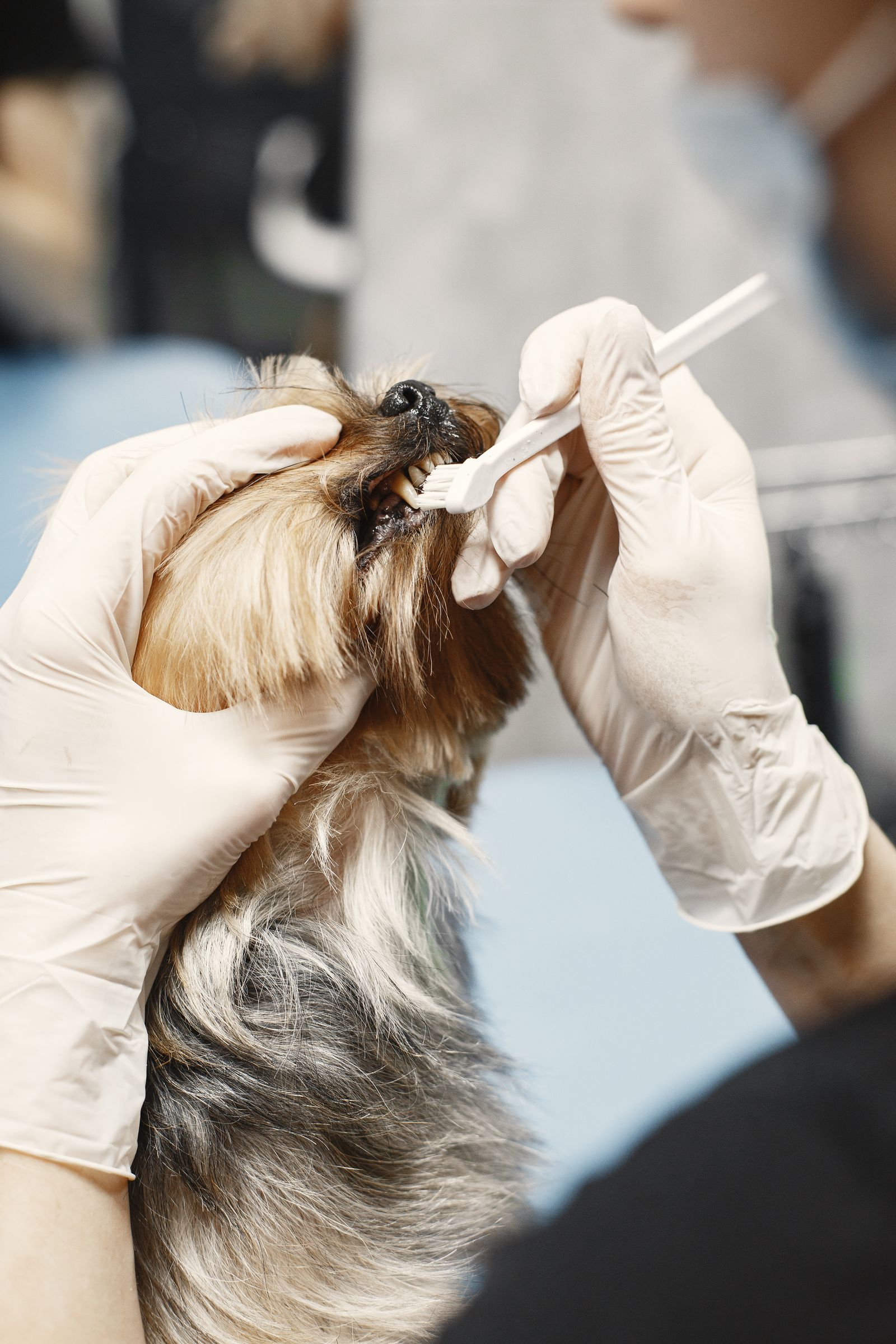
- Brush with dog‑safe toothpaste (never human toothpaste)
- Use a soft brush or finger brush
- Focus on the outside surfaces of the teeth
Weekly
- Check gums for redness or swelling
- Smell the breath (new bad breath = possible issue)
As needed
- Add a VOHC‑accepted dental chew if brushing is inconsistent
How to brush without a struggle
1) Let your Bichon taste the toothpaste first
2) Touch the lips and gums gently for a few seconds
3) Brush a few teeth and stop—build up slowly
Short, calm sessions work better than forcing a full brush on day one.
Are dental chews worth it?
They can help reduce plaque or tartar when they carry the VOHC Seal of Acceptance. Chews are support tools, not replacements for brushing.
Avoid: very hard bones, antlers, or hooves—they can crack teeth.
Signs you should call the vet
- Persistent bad breath
- Red or bleeding gums
- Drooling or pawing at the mouth
- Reluctance to chew, or dropping food
Early dental disease is treatable. Waiting makes it harder and more expensive.
Dental care checklist
Bichon Dental Routine
- Brushed today (or at least 3–4x/week)
- Gums checked for redness
- Breath checked for new odor
- Chew is VOHC‑accepted (if used)
- No very hard chews in the house
The takeaway
Brush often, use VOHC‑accepted aids when helpful, and don’t ignore early warning signs. That’s how you keep a Bichon’s smile healthy for the long haul.
Sources consulted: Veterinary Oral Health Council (VOHC) accepted products and seal guidance.
Related guides
Explore these next for a clearer, more complete picture: