Looking for a clear, friendly guide? Here’s a quick, practical snapshot tailored to this topic.
Quick take:
- Track symptoms and note changes over time.
- Keep regular vet checkups and ask about prevention.
- Focus on weight control and gentle exercise.
Optional upgrades (luxury touch)
If you want an extra‑comfort experience, these upgrades are completely optional but feel great in daily life:
- Annual wellness panel for deeper insight.
- Orthopedic support bed for joint comfort.
- Pet‑safe supplements approved by your vet.
Next steps
Make a simple health checklist to share at vet visits.
Looking for a clear, friendly guide? Here’s a quick, practical snapshot tailored to this topic.
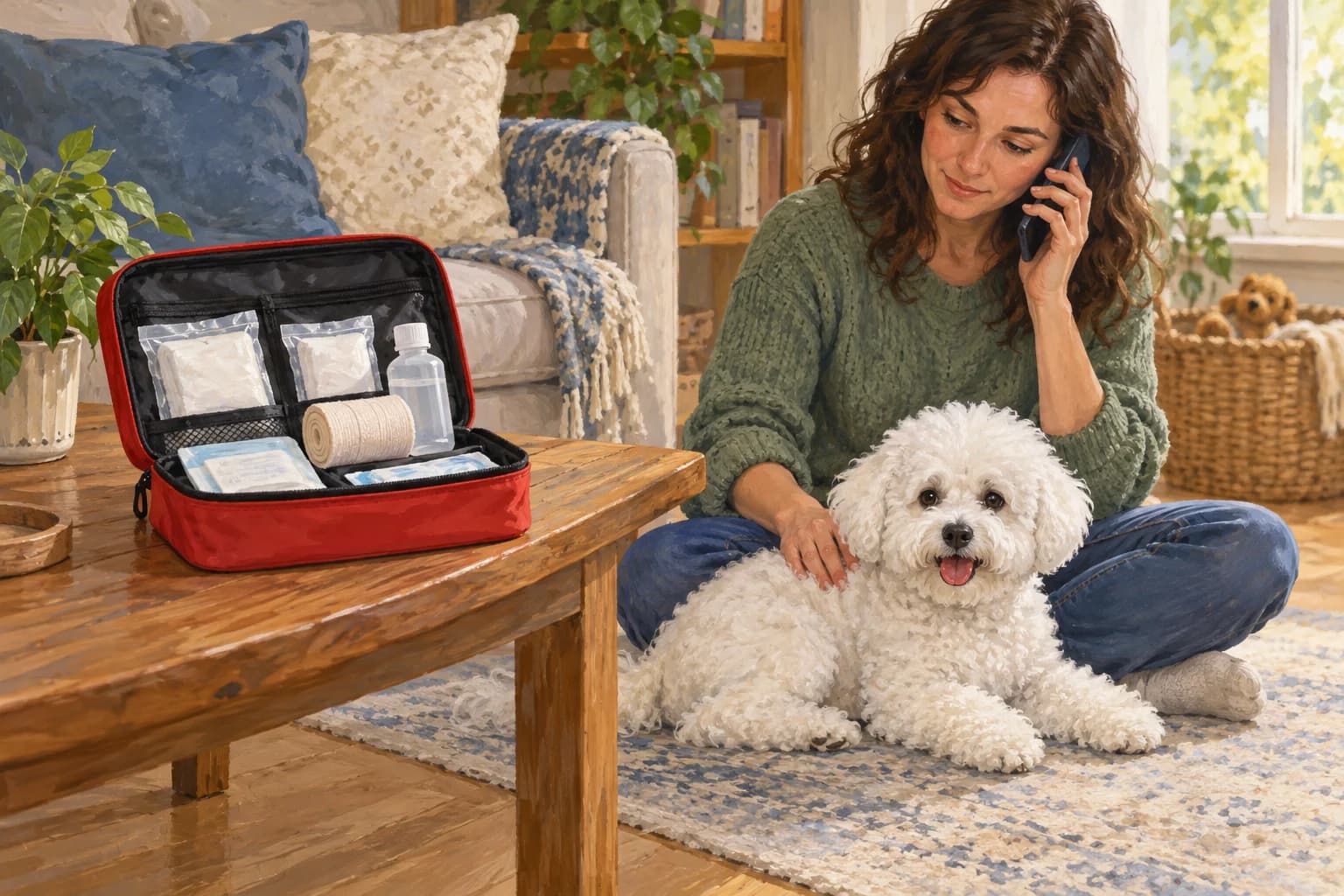
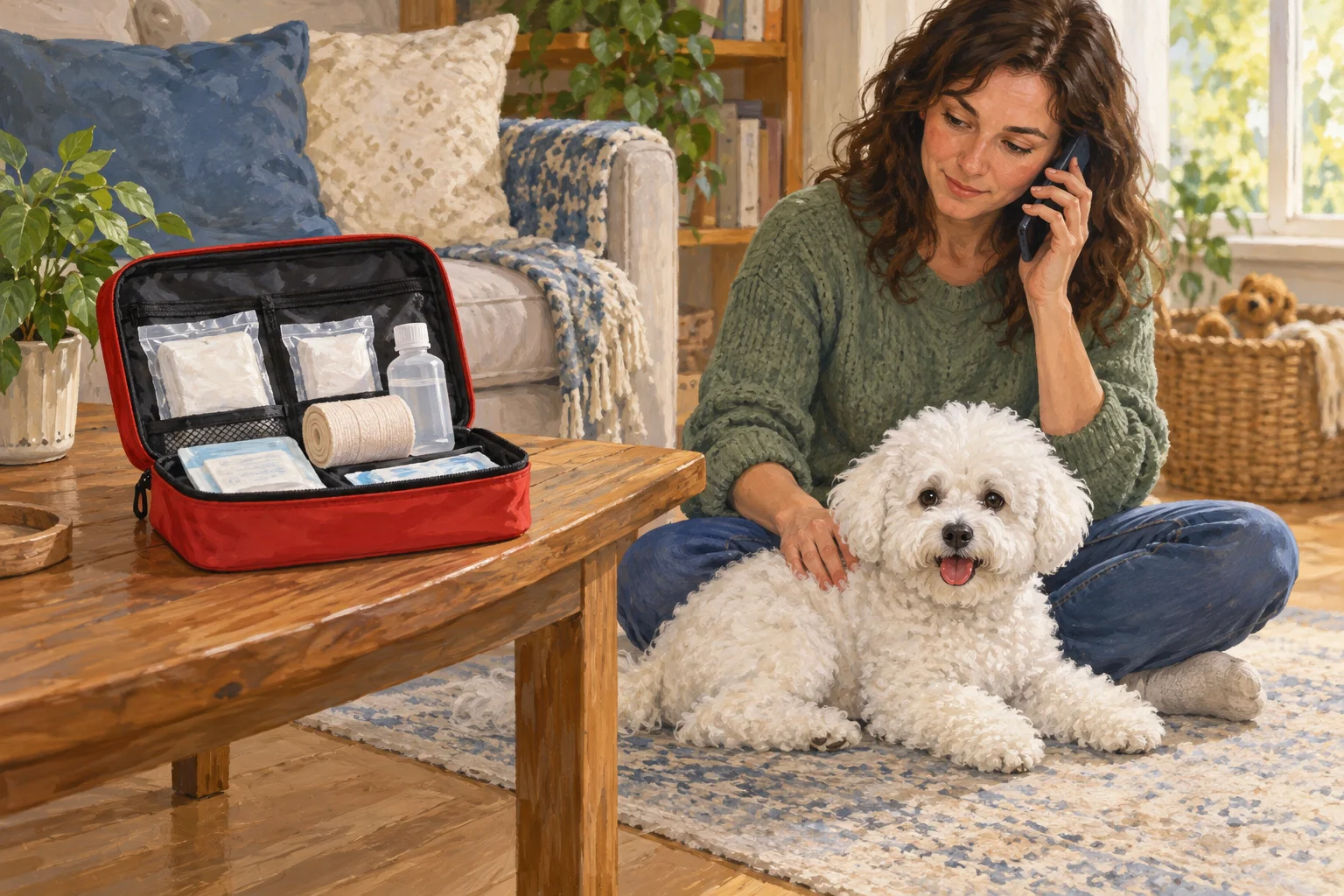
First aid is about staying calm, keeping your Bichon safe, and getting to professional care quickly. This guide is for short‑term help only—not a replacement for a vet.
General first‑aid rules (always true)
- Stay calm and speak softly
- Keep your dog warm and still
- If you’re unsure, call a vet or emergency clinic immediately
Common emergencies and what to do
Choking
- Open the mouth and remove only what you can see
- If you can’t dislodge it quickly, seek emergency care
- Avoid sweeping blindly with your fingers
Heat stress or heatstroke
- Move to shade or air conditioning
- Offer small amounts of cool water
- Wet the body with cool (not icy) water and use airflow
- Call a vet right away
Cuts or bleeding
- Apply firm pressure with clean gauze or cloth
- Keep pressure until bleeding slows
- Wrap lightly and get veterinary care
Poisoning or toxin exposure
- Call your vet or an emergency clinic immediately
- Do not induce vomiting unless instructed
- Bring the product label or photo
Minor sprains or limping
- Limit movement and keep your dog calm
- Use a soft towel as a support sling if needed
- Seek vet advice, especially if limping persists
First‑aid kit essentials
- Gauze pads and non‑stick bandages
- Self‑adhesive wrap (vet wrap)
- Antiseptic wipes (pet‑safe)
- Tweezers and blunt scissors
- Digital thermometer
- Disposable gloves
- Emergency contact list
Emergency contact card (keep this printed)
- Primary vet:
- After‑hours clinic:
- Nearest 24/7 emergency hospital:
- Pet poison hotline (from your vet):
Quick first‑aid checklist
Emergency Readiness
- Vet and emergency clinic numbers saved
- First‑aid kit stocked and easy to grab
- Carrier or leash ready by the door
- Car route to emergency clinic known
The bottom line
Use first aid to stabilize and get to the vet fast. If you’re unsure, call a professional immediately.
Sources consulted: General veterinary first‑aid guidance and emergency care best practices.
Related guides
Explore these next for a clearer, more complete picture: