On this page
- Optional upgrades (luxury touch)
- Next steps
- Adopting a Bichon Frise: What to Expect in the First 30 Days
- The Breed Snapshot (So You Know What You’re Signing Up For)
- Before Day 1: Set Up for Success
- Home Essentials Checklist
- Prep Your Space
- The First 72 Hours: Calm, Quiet, Predictable
- Week 1: Routine, Vet Visit, and House Training Basics
- Establish a Predictable Schedule
- First Vet Visit
- House Training Expectations
- Week 2: Confidence and Gentle Training
- Easy Wins to Teach This Week
- Week 3: Socialization and Household Habits
- Week 4: Grooming Routine and Long‑Term Rhythm
- Grooming Expectations
- Exercise and Play
- Common Challenges (And How to Handle Them)
- “My Bichon won’t eat.”
- “Accidents keep happening.”
- “Whining at night.”
- 30‑Day Checklist (Tap to Check Off)
- FAQ
- How long does it take a Bichon Frise to feel at home?
- Are Bichons hard to house train?
- How often should a Bichon be groomed?
- Do Bichons need a lot of exercise?
- Should I leave my new Bichon alone right away?
- Final Thoughts
- Related guides
Looking for a clear, friendly guide? Here’s a quick, practical snapshot tailored to this topic.
Quick take:
- Key tips you can apply immediately.
- Common mistakes to avoid.
- A simple routine to keep your Bichon happy and healthy.
Optional upgrades (luxury touch)
If you want an extra‑comfort experience, these upgrades are completely optional but feel great in daily life:
- Plush, washable bed with supportive padding.
- Professional grooming spa visit for a polished coat.
- Stainless steel or ceramic bowls for a premium feel.
Next steps
Explore related guides on the site to go deeper.
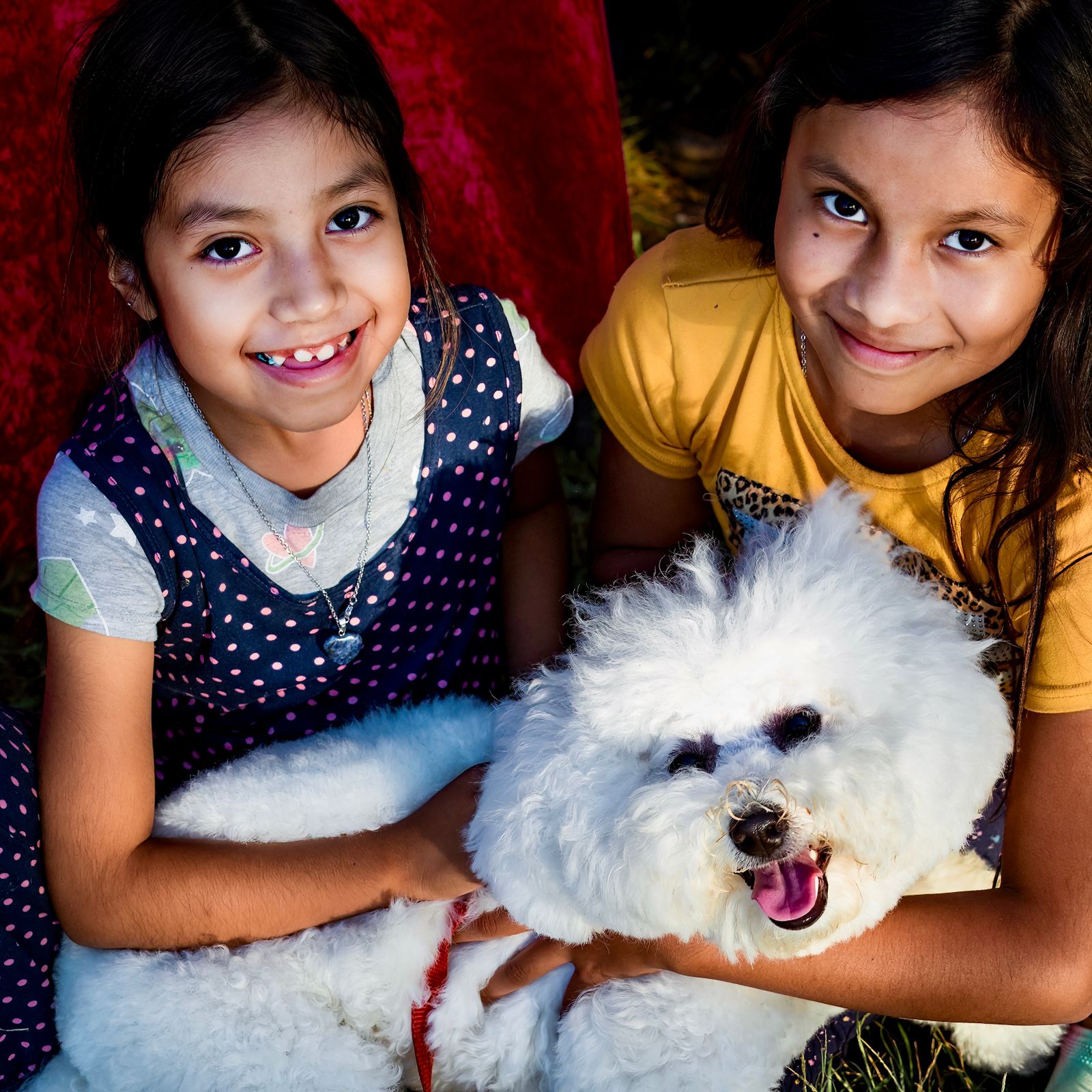
Looking for a clear, friendly guide? Here’s a quick, practical snapshot tailored to this topic.
Adopting a Bichon Frise: What to Expect in the First 30 Days
Bringing home a Bichon Frise is equal parts joy and adjustment. This guide walks you through the first month so your new companion feels safe, learns the routine, and starts bonding with your family.
Below you’ll find a clear timeline, practical checklists, and realistic expectations. Use it as a flexible roadmap, not a rigid rulebook—every dog settles in at a different pace.
The Breed Snapshot (So You Know What You’re Signing Up For)
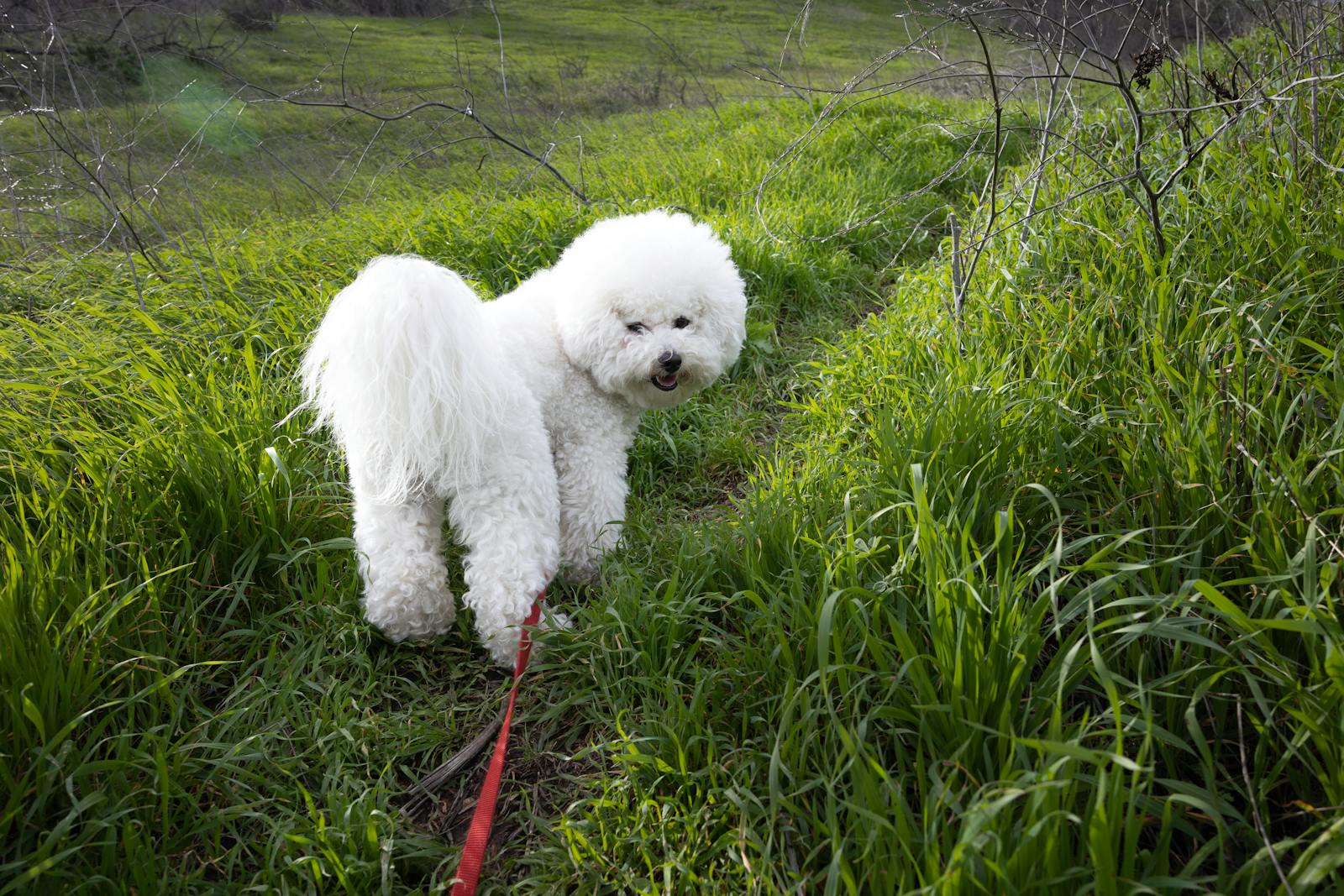
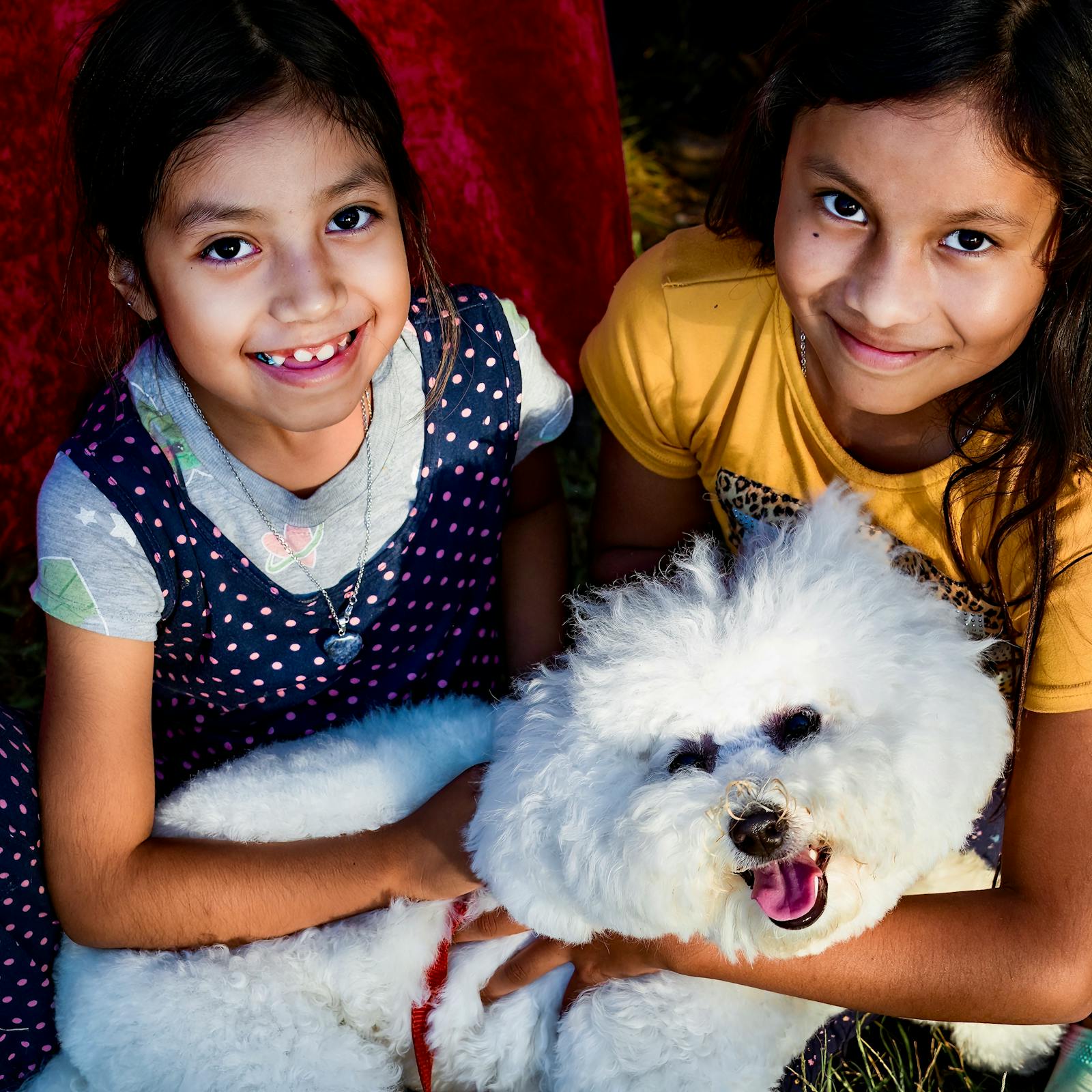
Bichons are small, sturdy, and social. They’re known for their cheerful personality, trainability with positive reinforcement, and a coat that requires regular grooming. The breed’s typical adult size is small (roughly under a foot tall), with a long life expectancy for a small dog. They’re adaptable, often do well with kids and other dogs, and they thrive on companionship rather than long stretches of isolation.
What this means in real life:
- Daily people time matters. Bichons are happiest when they’re included.
- Training is important early. They can learn quickly, but consistency is key.
- Grooming is not optional. Regular brushing and professional trims are part of the routine.
Before Day 1: Set Up for Success
Home Essentials Checklist
- Crate or playpen sized so your Bichon can stand up, turn around, and lie down comfortably.
- Soft bed and washable blanket.
- Food and water bowls (non‑slip is ideal).
- High‑quality dog food appropriate for age (puppy vs adult).
- Leash + harness (gentler on a small dog’s neck).
- Chew toys and puzzle toys for stress relief and enrichment.
- Enzymatic cleaner for inevitable accidents during house training.
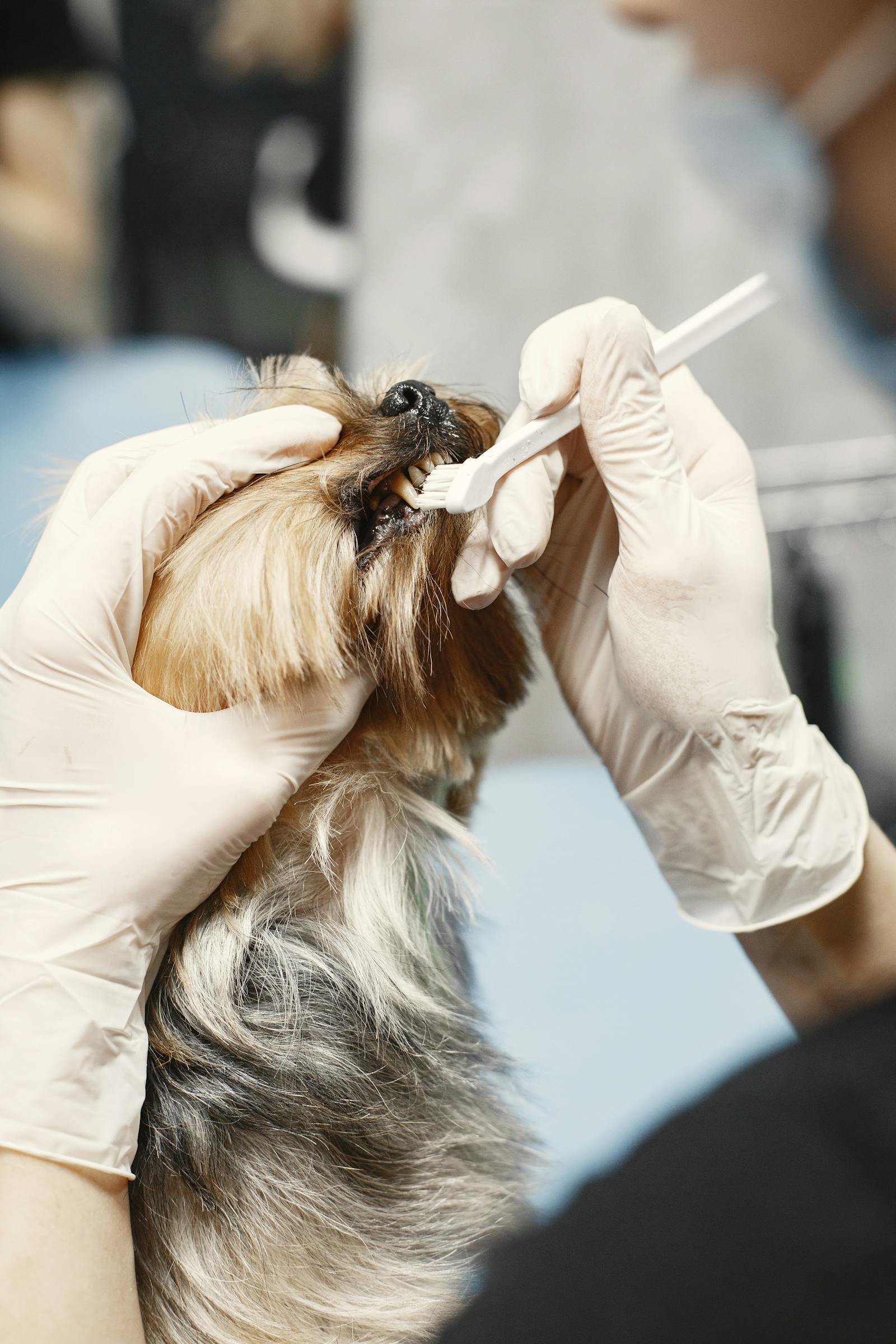
- Grooming basics: slicker brush, comb, gentle dog shampoo.
Prep Your Space
- Block off risky areas (stairs, cables, small items on the floor).
- Create a quiet “safe zone” away from constant foot traffic.
- Decide where meals, potty breaks, and sleep will happen. Consistency reduces anxiety.
The First 72 Hours: Calm, Quiet, Predictable
Your goal during the first few days is to lower stress and build trust.
What to expect:
- Clinginess or withdrawal.
- Skipping meals the first day.
- Frequent potty needs due to stress and excitement.
What to do:
- Keep the schedule simple: potty → food → rest → gentle play → potty.
- Limit visitors. Let your Bichon learn your household first.
- Use a calm voice and reward relaxed behavior.
Week 1: Routine, Vet Visit, and House Training Basics
Establish a Predictable Schedule
Dogs thrive on patterns. Try to keep feeding, potty, and sleep times consistent.
Sample daily flow:
1. Wake up → potty break → breakfast
2. Short play session → rest
3. Midday potty → snack (if puppy)
4. Short walk or training → rest
5. Evening meal → potty → calm downtime
First Vet Visit
Schedule a wellness exam early. Bring any records from the shelter or breeder. The vet will check overall health, discuss parasite prevention, and review vaccines if needed.
House Training Expectations
House training is one of the top priorities. Reliable potty habits are built through:
- Frequent opportunities to go outside
- Predictable timing after sleep, play, and meals
- Positive reinforcement the moment they go in the right spot
Crate training can help because dogs typically avoid soiling their sleep space. Use a crate that’s the right size—not too large—or the dog may use one corner as a bathroom.
Week 2: Confidence and Gentle Training
Once your Bichon is eating and sleeping more regularly, you can expand training and social experiences.
Easy Wins to Teach This Week
- Name recognition
- “Sit” and “come”
- Short leash walks with praise
Keep sessions brief (3–5 minutes) and end on a win. Bichons respond best to rewards and encouragement rather than harsh corrections.
Week 3: Socialization and Household Habits
Now is a good time to gradually introduce:
- New people (one at a time)
- Calm dogs (if vaccination status allows)
- Different environments (quiet streets, a friend’s yard)
Goal: neutral, positive experiences—not overwhelm.
Continue reinforcing potty habits. If accidents happen, clean thoroughly with an enzymatic cleaner to prevent repeat marking in the same spot.
Week 4: Grooming Routine and Long‑Term Rhythm
By the end of the first month, your Bichon should be settling into a routine and learning household rules.
Grooming Expectations
Bichons need frequent coat care to avoid mats:
- Brush at least two to three times per week (daily is ideal)
- Bath and trim about once a month
- Most pet owners schedule grooming every 4–6 weeks
Exercise and Play
Bichons are moderately active. Daily play plus short walks help burn energy and reduce unwanted behaviors. They typically enjoy brief bursts of activity rather than long endurance workouts.
Common Challenges (And How to Handle Them)
“My Bichon won’t eat.”
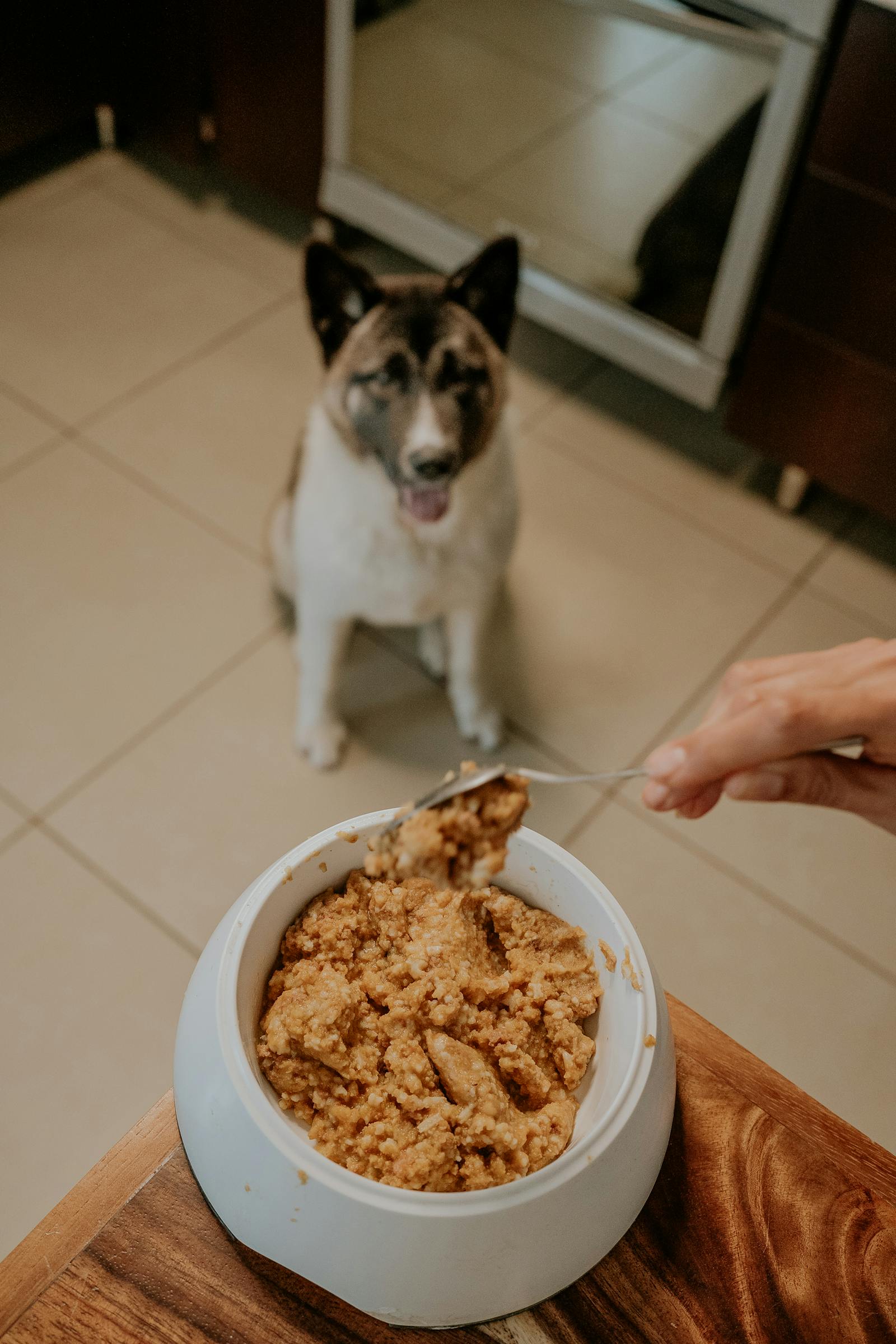
Stress can suppress appetite. Offer food at set times and remove the bowl after 15–20 minutes. Consistency helps.
“Accidents keep happening.”
Increase potty breaks and reward successes immediately. Most house‑training setbacks are timing issues, not stubbornness.
“Whining at night.”
This is common. Keep the crate nearby so your Bichon can see or hear you. Provide a soft blanket and a calm bedtime routine.
30‑Day Checklist (Tap to Check Off)
FAQ
How long does it take a Bichon Frise to feel at home?
Many dogs relax within the first few weeks, but full confidence can take longer. Consistent routines and gentle training speed up the process.
Are Bichons hard to house train?
Bichons can be a bit stubborn, but they respond well to routine and positive reinforcement. Crate training and frequent potty breaks make a big difference.
How often should a Bichon be groomed?
Expect brushing multiple times per week and professional grooming about every 4–6 weeks.
Do Bichons need a lot of exercise?
They’re moderately active. Daily play and short walks are usually enough.
Should I leave my new Bichon alone right away?
Start with short, calm separations and build up slowly. This helps prevent separation stress.
Final Thoughts
The first 30 days set the tone for your Bichon’s future behavior and comfort. Keep the environment predictable, reward the behaviors you want, and stay patient through the learning curve. With consistency, your Bichon will settle in and become the joyful, affectionate companion the breed is known for.
Sources consulted: AKC breed overview; AKC potty training guidance.
Related guides
Explore these next for a clearer, more complete picture: