On this page
Looking for a clear, friendly guide? Here’s a quick, practical snapshot tailored to this topic.
Quick take:
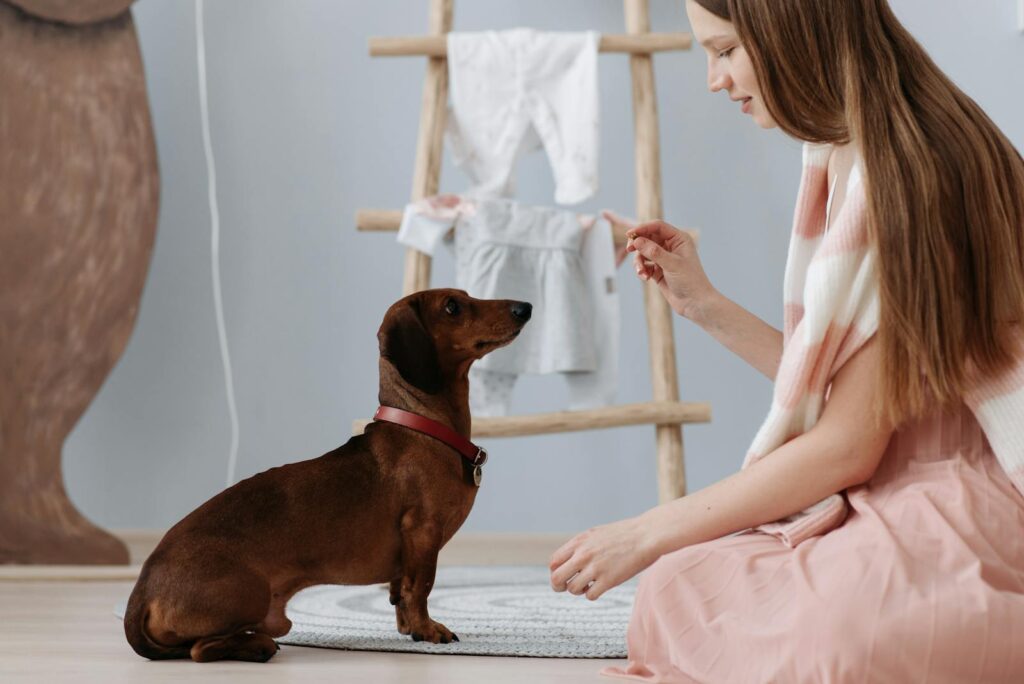
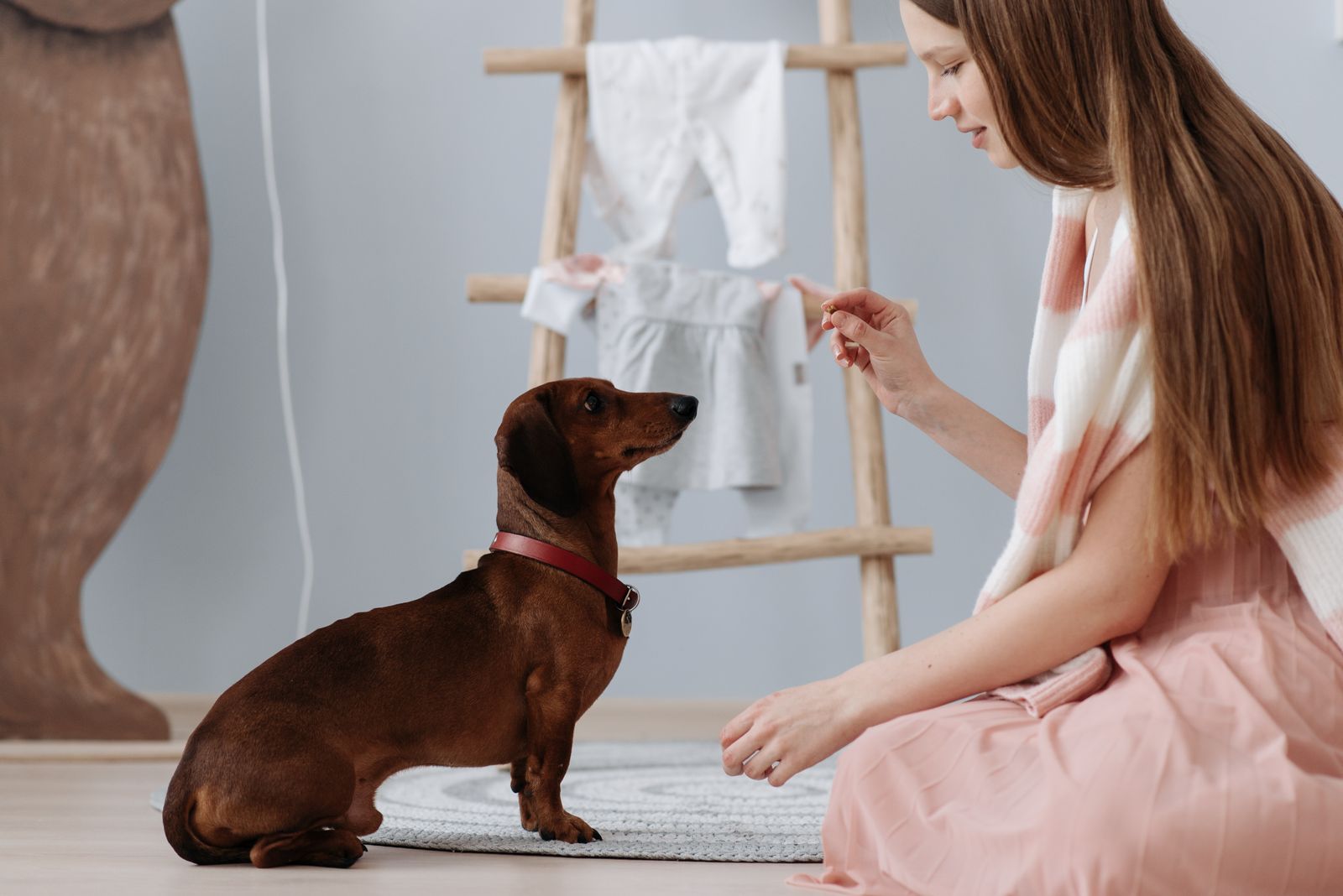
- Short, positive sessions work best for Bichons.
- Use rewards and end on a win.
- Practice the same cue in different locations.
Optional upgrades (luxury touch)
If you want an extra‑comfort experience, these upgrades are completely optional but feel great in daily life:
- High‑value training treats in a pouch.
- Soft, comfortable harness for walks.
- Private trainer session for polish and confidence.
Next steps
Pick two core behaviors and practice them daily for two weeks.
Looking for a clear, friendly guide? Here’s a quick, practical snapshot tailored to this topic.
How to Reduce Bichon Frise Barking (Without Yelling)
Bichons can be alert barkers. The fix is to identify the trigger and teach a calm alternative, not to punish the bark.
Step 1: Identify the trigger
Common triggers include:
- Doorbells or hallway noise
- Boredom or lack of exercise
- Separation anxiety
- Excitement during play
Step 2: Teach a quiet cue
1) Wait for a brief pause in barking
2) Say “quiet” and reward immediately
3) Repeat until the cue predicts silence
Step 3: Replace barking with a job
- Ask for a sit, touch, or go‑to‑bed
- Reward calm behavior consistently
Step 4: Increase daily enrichment
- Short walks
- Puzzle toys
- Quick trick sessions
Barking‑reduction checklist
Quiet‑Time Plan
- Trigger identified
- Quiet cue practiced daily
- Calm behavior rewarded
- Exercise or enrichment added
Sources consulted: General positive‑reinforcement training guidance and AKC breed temperament notes.
Related guides
Explore these next for a clearer, more complete picture: