On this page
- Optional upgrades (luxury touch)
- Next steps
- What’s the Best Dog Food for a Bichon Frise? A Practical, Breed‑Smart Guide
- The non‑negotiables on the label
- Bichon‑specific nutrition priorities
- 1) Weight‑smart calories
- 2) Skin and coat support
- 3) Digestive comfort
- 4) Dental help
- Puppy vs adult vs senior: the right match
- Grain‑free vs grain‑inclusive (what actually matters)
- How to compare foods quickly (the 60‑second check)
- Quick Bichon Food Checklist
- Transitioning to a new food (avoid tummy trouble)
- How much should a Bichon Frise eat?
- When to talk to your vet
- The bottom line
- Related guides
Looking for a clear, friendly guide? Here’s a quick, practical snapshot tailored to this topic.
Quick take:
- Pick age-appropriate nutrition and confirm the protein source.
- Watch portion sizes to prevent weight creep.
- Transition foods slowly to avoid stomach upset.
Optional upgrades (luxury touch)
If you want an extra‑comfort experience, these upgrades are completely optional but feel great in daily life:
- Premium slow‑feed bowl for calmer mealtimes.
- Measured meal prep containers for perfect portions.
- High‑grade water fountain for hydration.
Next steps
Compare food options side‑by‑side and adjust based on energy, coat, and digestion.
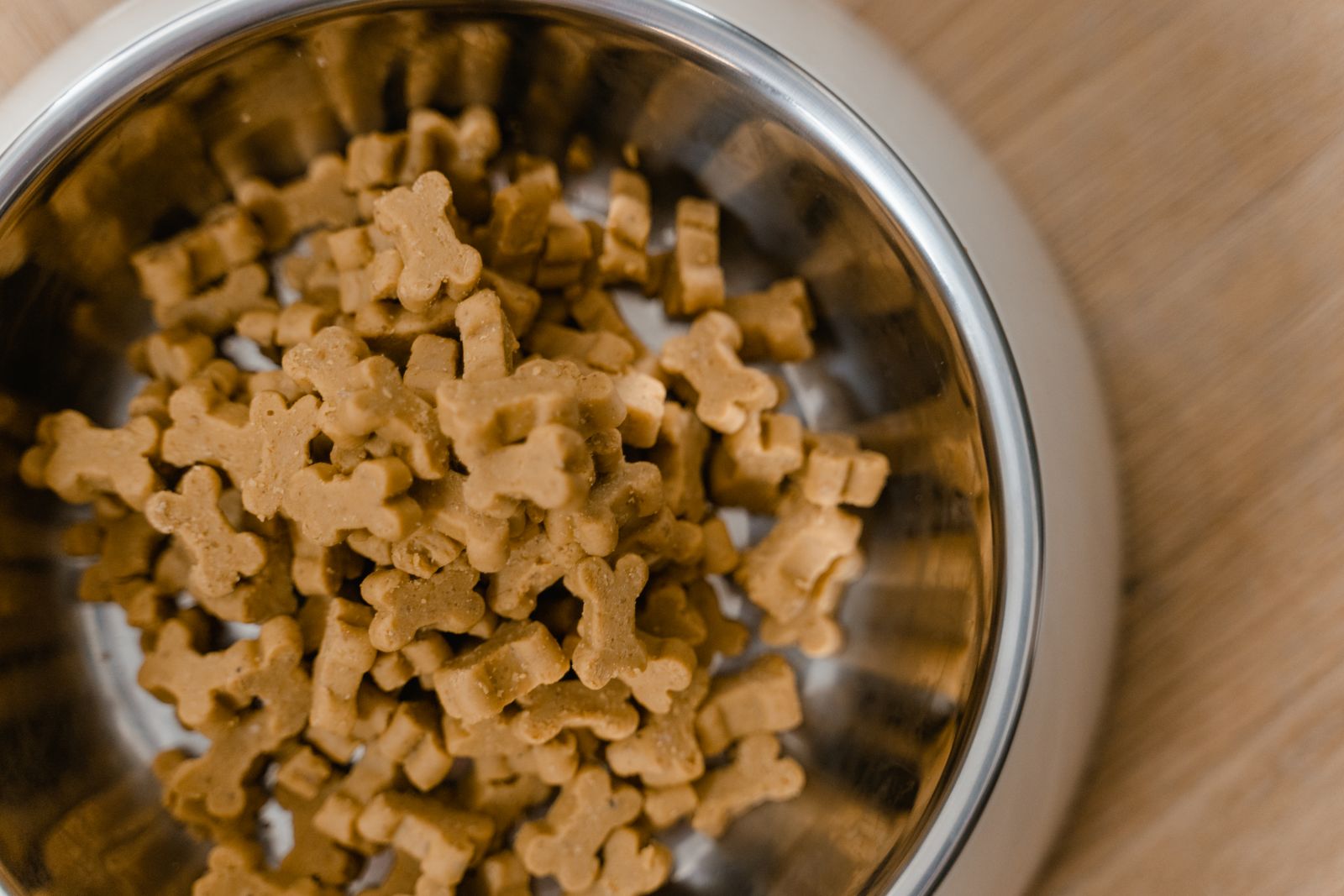
Looking for a clear, friendly guide? Here’s a quick, practical snapshot tailored to this topic.
What’s the Best Dog Food for a Bichon Frise? A Practical, Breed‑Smart Guide
If you want the short answer: the best food for a Bichon Frise is a complete and balanced diet for the right life stage, in a small‑breed kibble size, with quality animal protein and no unnecessary extras your dog doesn’t tolerate. The rest of this guide shows you how to spot that on a label and match it to your Bichon’s needs.
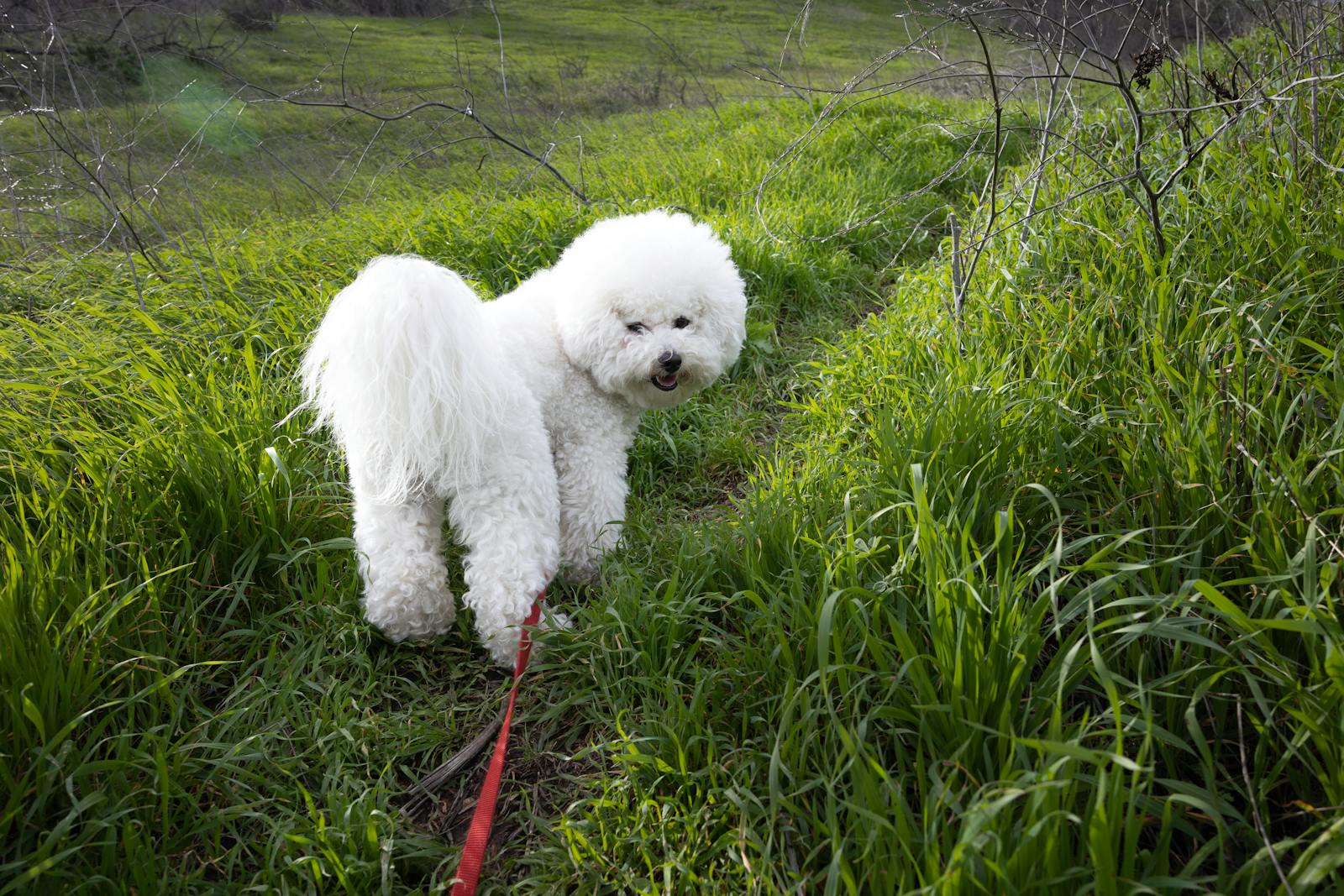
Bichons are small, active companion dogs with a plush coat and a tendency toward dental buildup and weight gain if portions creep up. That means food choice is less about brand hype and more about proper nutrition, portion control, and coat‑supporting fats.
The non‑negotiables on the label
Look for these before anything else:
- “Complete and balanced” statement for the correct life stage (puppy, adult, senior).
- A named animal protein among the first ingredients.
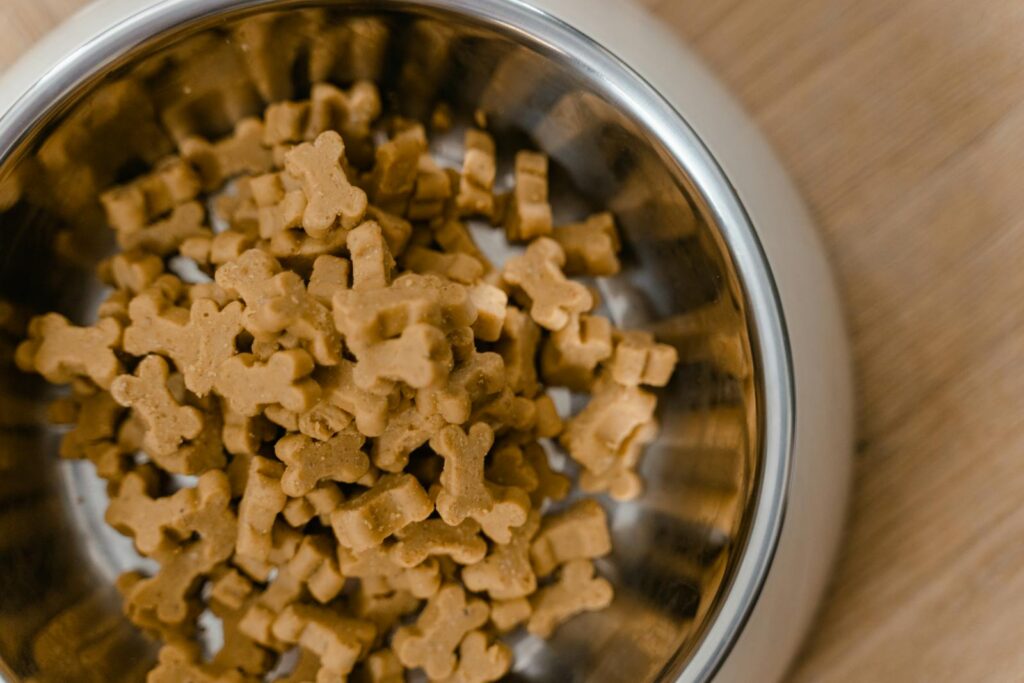
- Small‑breed kibble size for easy chewing and less mouthful gulping.
- Calories listed so you can portion accurately.
If the bag doesn’t clearly state complete and balanced nutrition for dogs, skip it.
Bichon‑specific nutrition priorities
These aren’t strict rules, but they help you choose a formula that supports what Bichons tend to need.
1) Weight‑smart calories
Most Bichons are small (often under 20 lbs), so even small overfeeds add up fast. Choose a formula with a sensible calorie density and measure portions.
2) Skin and coat support
Their signature coat benefits from omega‑3 and omega‑6 fatty acids. You don’t need “beauty food,” just a diet that includes these fats (often from fish oil or poultry fat).
3) Digestive comfort
Some Bichons are sensitive to sudden diet changes or rich formulas. A moderate fat level and gentle ingredients help keep stools consistent.
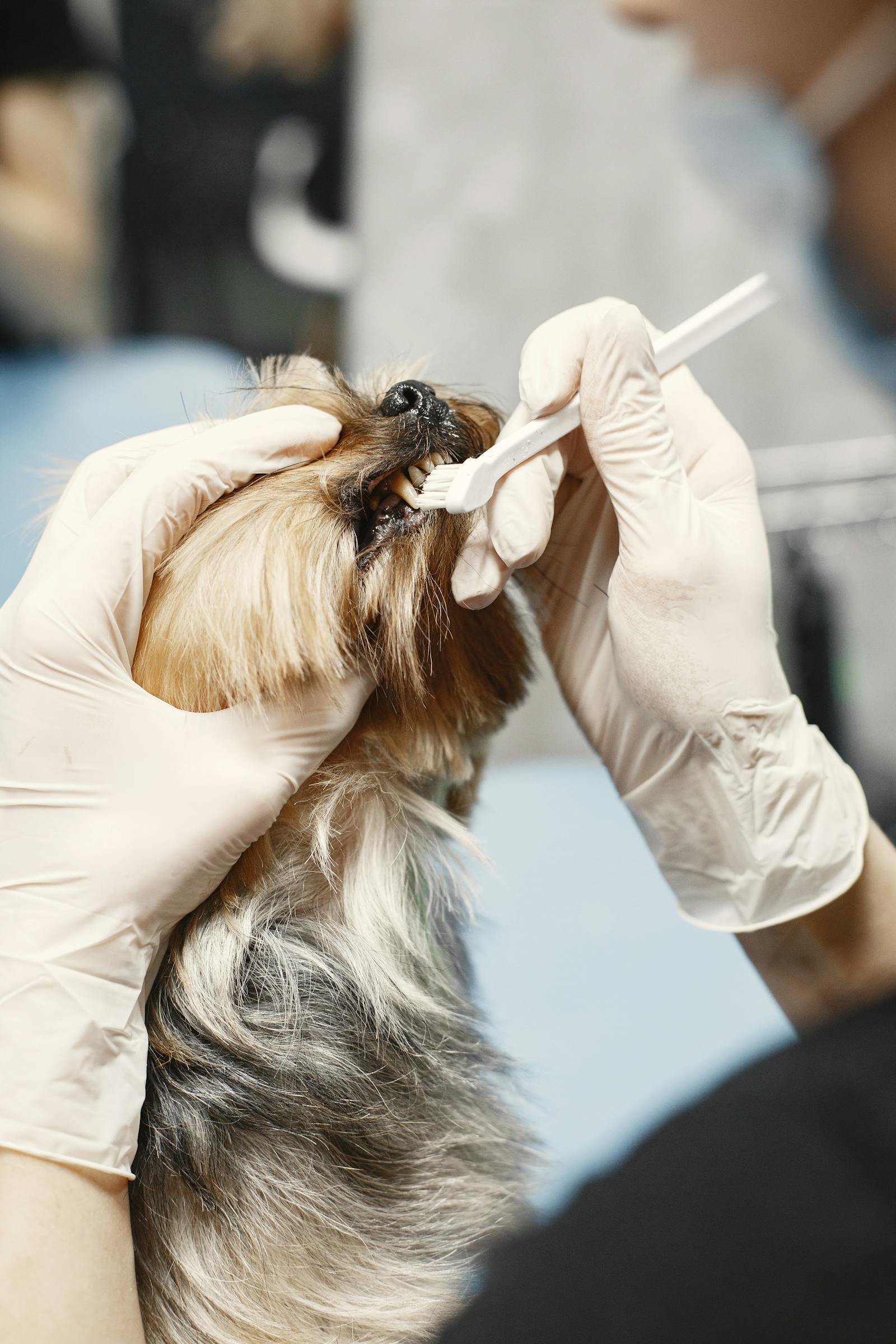
4) Dental help
Small‑breed kibble can support chewing, and a firm texture can reduce some plaque buildup. It’s not a substitute for brushing, but every bit helps.
Puppy vs adult vs senior: the right match
- Puppy (up to ~12 months): Choose a puppy formula designed for small breeds. Growth needs more energy and specific nutrient balance.
- Adult: Balanced maintenance formula with moderate fat and protein.
- Senior: Some seniors do well on slightly fewer calories and added joint support. Watch body condition first—senior labels aren’t automatically better.
If your dog has health conditions, follow your vet’s plan before switching foods.
Grain‑free vs grain‑inclusive (what actually matters)
Grain‑inclusive diets can be a great fit for many Bichons. Grain‑free is not automatically better and isn’t needed unless your dog has a specific intolerance diagnosed by a vet. The priority is overall nutrient balance, not just the grain choice.
How to compare foods quickly (the 60‑second check)
Quick Bichon Food Checklist
- States “complete and balanced” for the correct life stage
- Named animal protein in the first ingredients
- Small‑breed kibble size or “small breed” formula
- Calories listed (so you can portion accurately)
- Includes omega‑3/omega‑6 fats for coat support
- No ingredients your dog has reacted to before
Transitioning to a new food (avoid tummy trouble)
Switch slowly over 7–10 days. Start with mostly old food and a small amount of the new formula, then increase the new food every couple of days. If stools soften or your dog seems uncomfortable, slow the transition.
How much should a Bichon Frise eat?
There’s no universal number because calorie needs depend on age, activity, and body condition. Use the feeding guide on the bag as a starting point, then adjust until your Bichon has a visible waist and you can feel (but not see) the ribs.
If you’re unsure, weigh your dog monthly and keep a simple log. Small changes in a small dog matter.
When to talk to your vet
Check in if you see any of these:
- Persistent itching or ear problems
- Frequent soft stools
- Unexplained weight gain or loss
- Dull, brittle coat despite consistent grooming
These can signal a food sensitivity, an imbalance, or a medical issue that needs a tailored diet.
The bottom line
The “best” dog food for a Bichon Frise is one that meets life‑stage needs, supports coat and digestion, and keeps your dog at a healthy weight. Use the checklist above, go slow with transitions, and adjust portions based on body condition—not just the label.
Sources consulted: AAFCO consumer guidance on pet food regulation and labeling; AKC Bichon Frise breed overview (size, life stage nutrition notes).
Related guides
Explore these next for a clearer, more complete picture: