On this page
- Optional upgrades (luxury touch)
- Next steps
- Best Dry Kibble for Bichon Frise: How to Choose the Right Bag
- Start with the label (this matters most)
- Why kibble size matters for Bichons
- What Bichons tend to need most
- 1) Weight control by portion, not promise
- 2) Coat and skin support
- 3) Digestive steadiness
- Grain‑free vs grain‑inclusive: keep it simple
- Quick comparison checklist
- Dry Kibble Check (Bichon‑Friendly)
- Switching kibble without stomach upset
- How much should a Bichon eat?
- When to call your vet
- The takeaway
- Related guides
Looking for a clear, friendly guide? Here’s a quick, practical snapshot tailored to this topic.
Quick take:
- Pick age-appropriate nutrition and confirm the protein source.
- Watch portion sizes to prevent weight creep.
- Transition foods slowly to avoid stomach upset.
Optional upgrades (luxury touch)
If you want an extra‑comfort experience, these upgrades are completely optional but feel great in daily life:
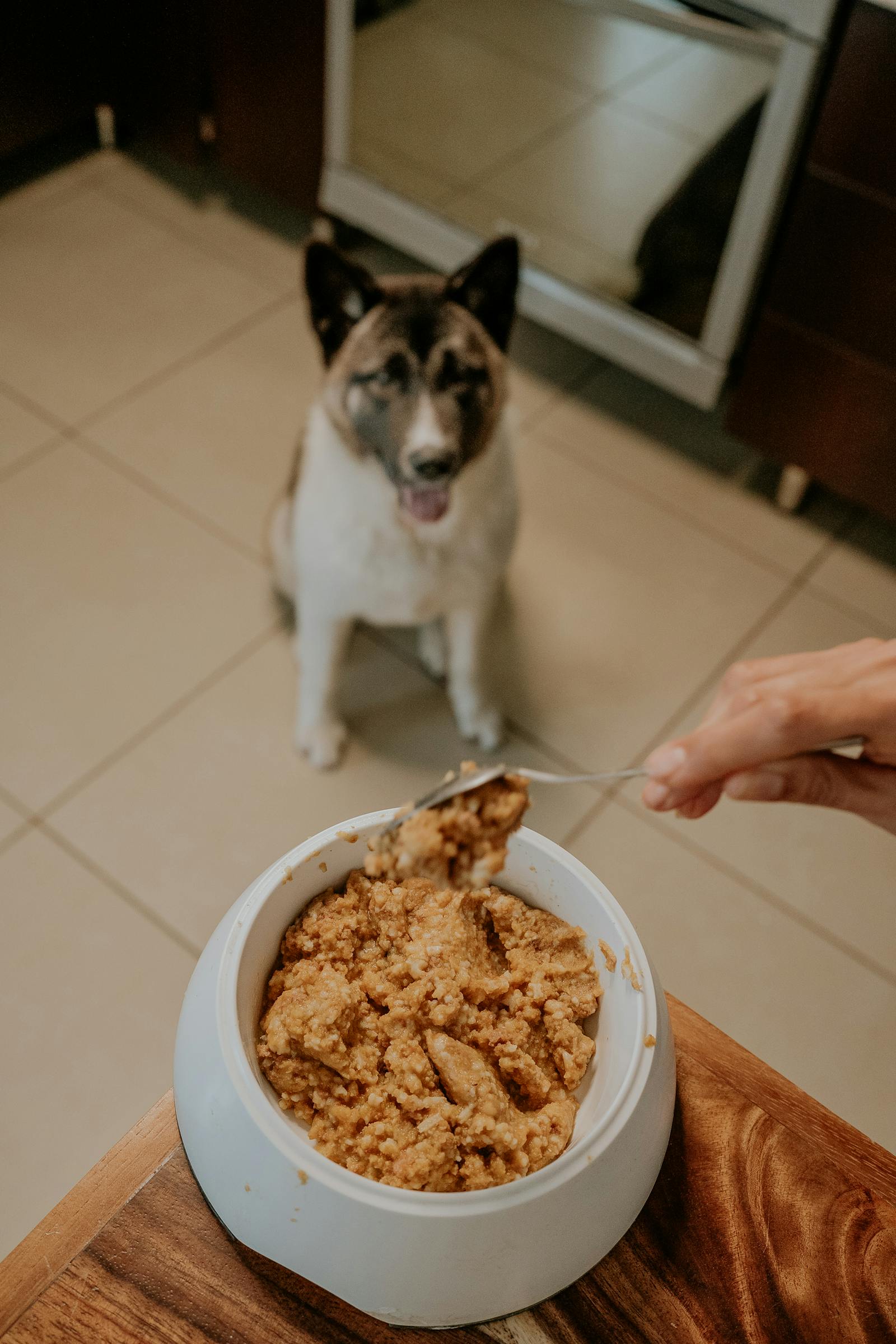
- Premium slow‑feed bowl for calmer mealtimes.
- Measured meal prep containers for perfect portions.
- High‑grade water fountain for hydration.
Next steps
Compare food options side‑by‑side and adjust based on energy, coat, and digestion.
Looking for a clear, friendly guide? Here’s a quick, practical snapshot tailored to this topic.
Best Dry Kibble for Bichon Frise: How to Choose the Right Bag
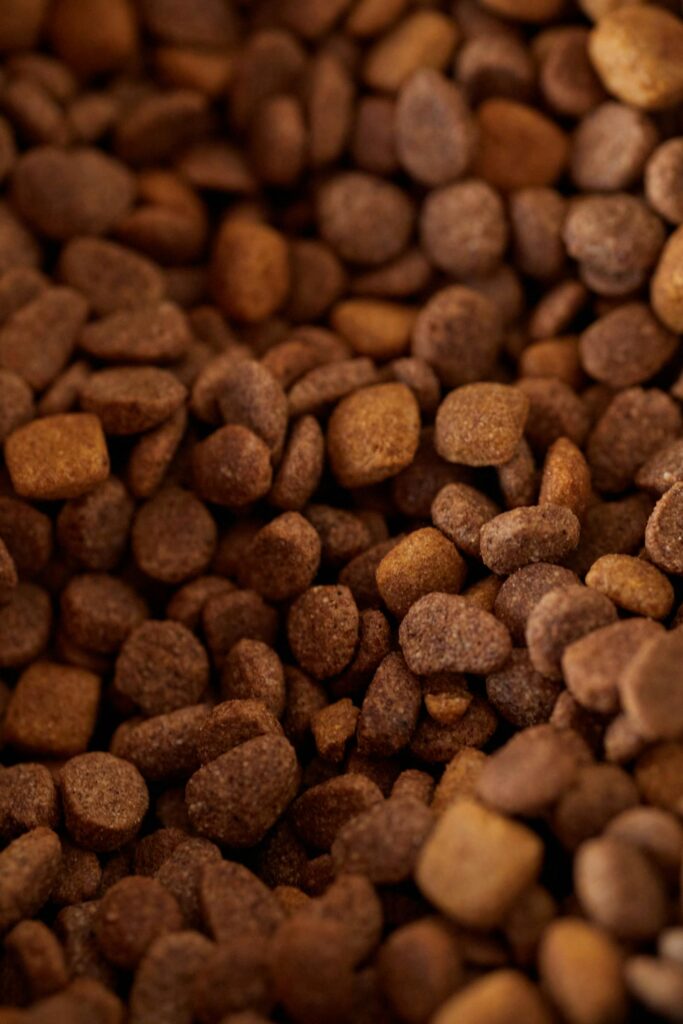
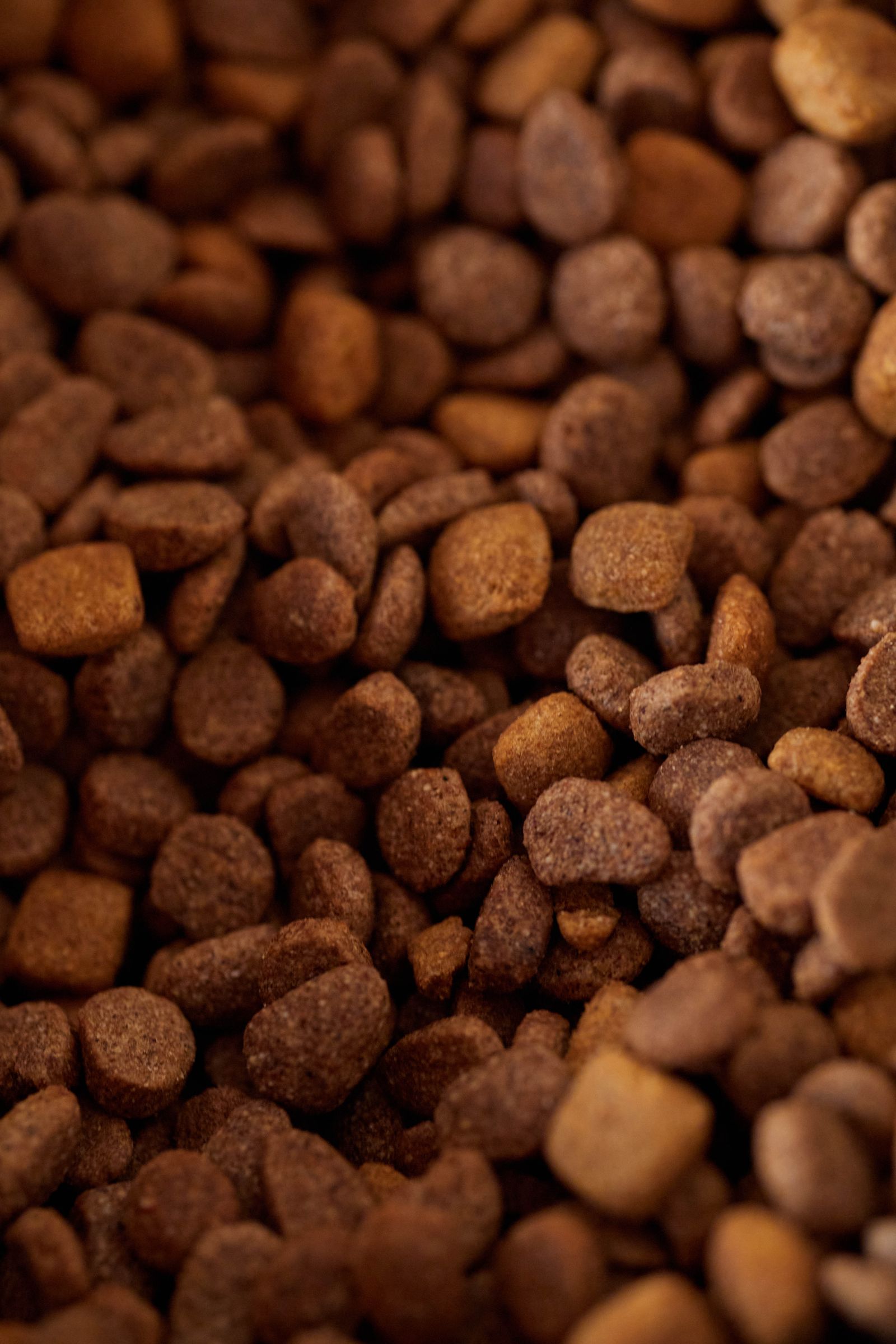
Dry kibble can be a great fit for Bichon Frises because it’s easy to portion, convenient to store, and often comes in small‑breed sizes. The “best” kibble isn’t about flashy labels—it’s about complete nutrition, the right life stage, and a size your Bichon can comfortably chew.
This guide shows you how to pick a bag that supports a healthy weight, a soft coat, and steady digestion.
Start with the label (this matters most)
Choose kibble that clearly states it is complete and balanced for the correct life stage. That statement is your baseline. If it’s missing, don’t buy it.
Then look for:
- Named animal protein in the first ingredients
- Small‑breed kibble size
- Calories per cup listed
Why kibble size matters for Bichons
Bichons are small dogs with compact jaws. Tiny or small‑breed kibble:
- is easier to chew
- may reduce gulping
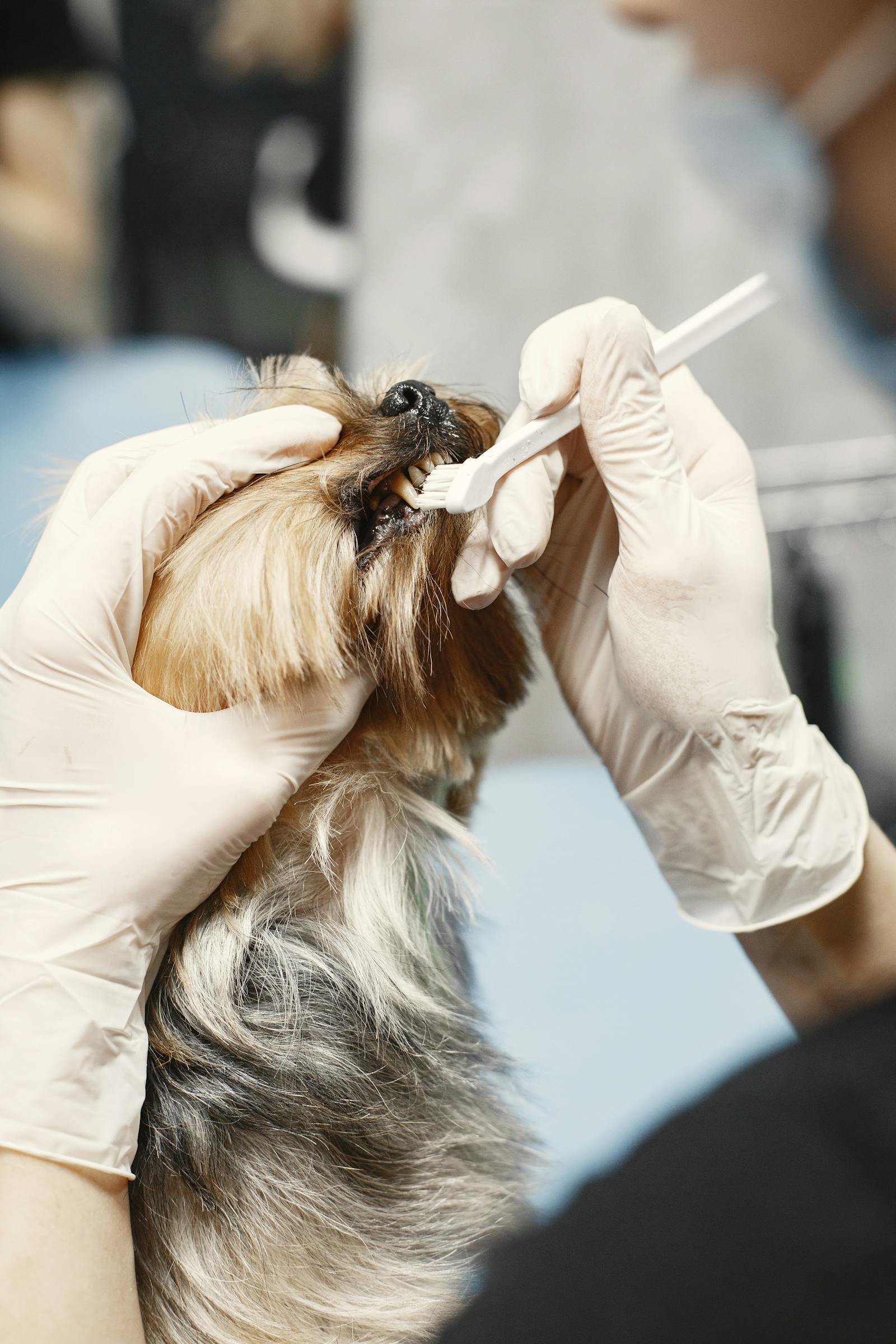
- can support dental chewing compared to large pieces
It’s not a replacement for brushing, but it can help.
What Bichons tend to need most
1) Weight control by portion, not promise
Small dogs gain weight quickly if servings drift. Pick a kibble with reasonable calorie density and measure portions consistently.
2) Coat and skin support
Look for omega‑3 and omega‑6 fatty acids in the nutrition panel. These fats help maintain that signature soft, fluffy coat.
3) Digestive steadiness
If your Bichon is sensitive, avoid abrupt changes and overly rich formulas. A moderate fat level and gentle ingredients often help.
Grain‑free vs grain‑inclusive: keep it simple
Grain‑inclusive diets are fine for most Bichons. Grain‑free is only necessary if your dog has a diagnosed intolerance. Focus on overall balance rather than avoiding grains by default.
Quick comparison checklist
Dry Kibble Check (Bichon‑Friendly)
- “Complete and balanced” for the correct life stage
- Named animal protein in the first ingredients
- Small‑breed or small‑bite kibble size
- Calories listed so portions can be measured
- Omega‑3/omega‑6 fats for coat support
- No ingredients your dog has reacted to
Switching kibble without stomach upset
Transition over 7–10 days:
1) Mostly old food + a little new (days 1–3)
2) Half and half (days 4–6)
3) Mostly new (days 7–10)
If stools soften, slow the transition.
How much should a Bichon eat?
Use the bag’s feeding guide as a starting point, then adjust based on body condition. You should be able to feel ribs under a light fat cover and see a waist from above.
When to call your vet
Ask for guidance if you notice:
- Persistent itching or ear issues
- Recurrent digestive upset
- Sudden weight gain or loss
- Dull coat despite regular grooming
These can signal an underlying issue that needs a tailored diet.
The takeaway
Pick a complete and balanced small‑breed kibble, measure portions, and watch your Bichon’s body condition. That’s the real “best” choice—and it works regardless of brand names.
Sources consulted: AAFCO consumer guidance on pet food regulation and labeling; AKC Bichon Frise breed overview (size, care and nutrition notes).
Related guides
Explore these next for a clearer, more complete picture: