On this page
Looking for a clear, friendly guide? Here’s a quick, practical snapshot tailored to this topic.
Quick take:
- Track symptoms and note changes over time.
- Keep regular vet checkups and ask about prevention.
- Focus on weight control and gentle exercise.
Optional upgrades (luxury touch)
If you want an extra‑comfort experience, these upgrades are completely optional but feel great in daily life:
- Annual wellness panel for deeper insight.
- Orthopedic support bed for joint comfort.
- Pet‑safe supplements approved by your vet.
Next steps
Make a simple health checklist to share at vet visits.
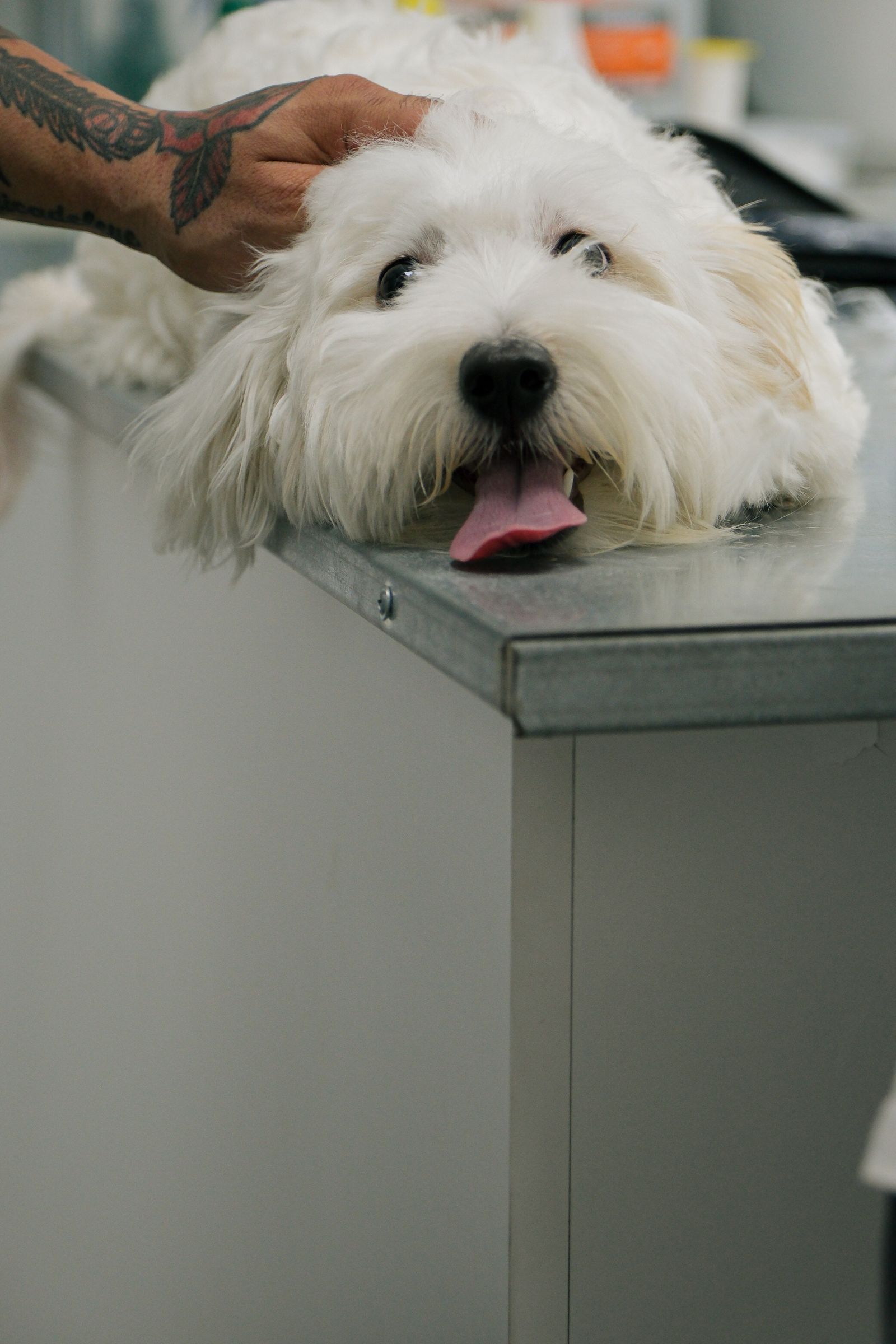
Looking for a clear, friendly guide? Here’s a quick, practical snapshot tailored to this topic.
Bichon Frise Skin Infections: Signs, Causes, and Next Steps
Bichons can be prone to skin irritation because of their dense coat and common allergies. The key is to catch issues early and get the right diagnosis—not to guess at home treatments.
Signs of a possible skin infection
- Red, irritated skin or hot spots
- Persistent itching or licking
- Hair loss, scabs, or crusting
- A sour or “yeasty” odor
Common causes
- Allergies (food or environmental)
- Fleas or mites
- Moisture trapped in the coat
- Bacterial or yeast overgrowth
Different causes can look similar, so a vet exam is important.
What to do right away
- Keep the area clean and dry
- Prevent excessive licking (use a cone if needed)
- Call your vet for diagnosis and treatment
Avoid using random human creams or antibiotics without guidance.
Prevention habits that help
- Regular brushing to keep the coat dry and untangled
- Dry your Bichon thoroughly after baths
- Use flea prevention consistently
- Address allergies early
Skin‑health checklist
Weekly Skin Check
- Coat brushed and fully dry
- No new redness or hot spots
- Ears checked for odor or redness
- Flea prevention up to date
- Itching level normal
The takeaway
Skin infections are treatable, but early care matters. If symptoms persist for more than a day or two, get a vet’s guidance.
Sources consulted: General veterinary dermatology guidance and AKC breed care notes.
Related guides
Explore these next for a clearer, more complete picture: