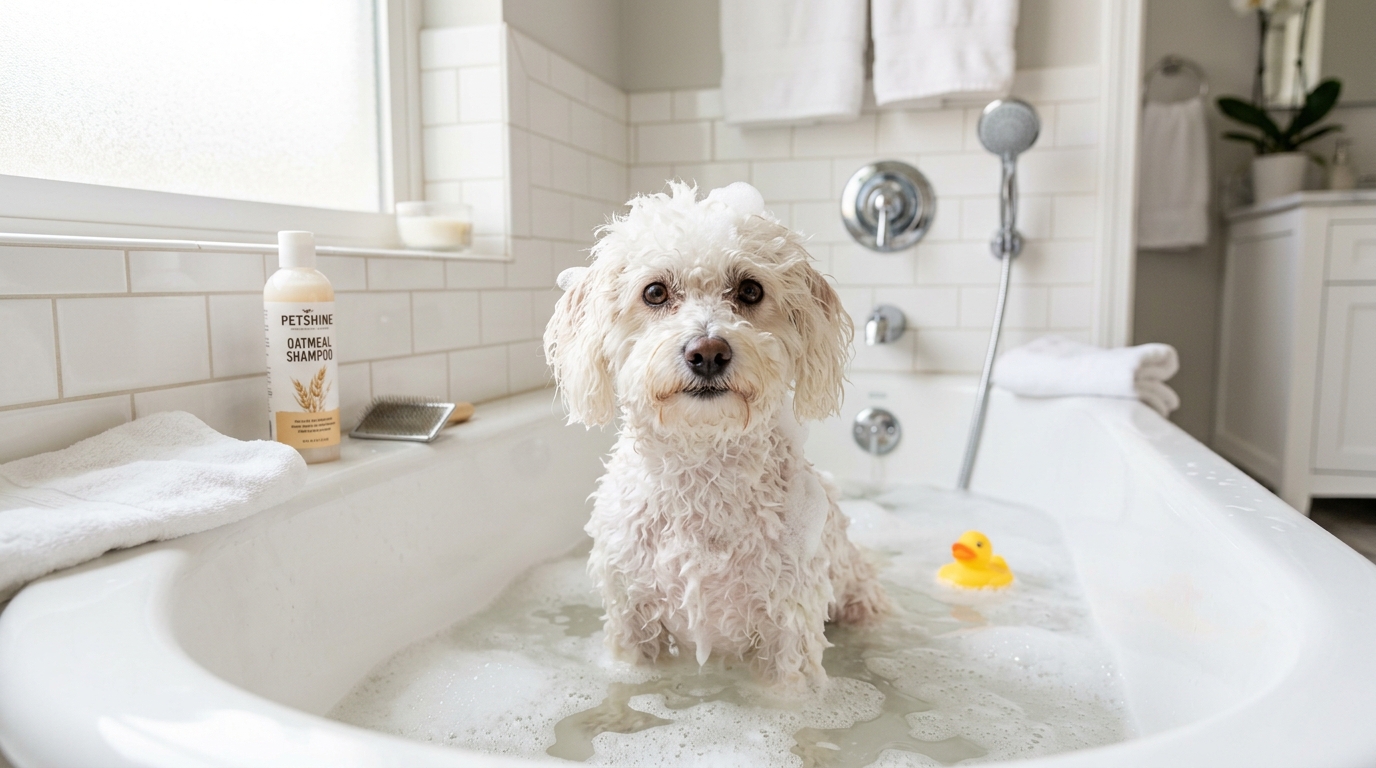
Looking for a clear, friendly guide? Here’s a quick, practical snapshot tailored to this topic.
Quick take:
- Key tips you can apply immediately.
- Common mistakes to avoid.
- A simple routine to keep your Bichon happy and healthy.
Optional upgrades (luxury touch)
If you want an extra‑comfort experience, these upgrades are completely optional but feel great in daily life:
- Plush, washable bed with supportive padding.
- Professional grooming spa visit for a polished coat.
- Stainless steel or ceramic bowls for a premium feel.
Next steps
Explore related guides on the site to go deeper.

Looking for a clear, friendly guide? Here’s a quick, practical snapshot tailored to this topic.
Bichon Frise FAQ: The Questions Owners Ask Most
Here are clear, practical answers to the questions Bichon owners ask all the time. Use this as a quick reference and share it with new family members, sitters, or groomers.
Quick‑answer FAQ (expand to read)
How big do Bichon Frises get?
Adult Bichons are small dogs, typically under a foot tall and often in the teens for pounds. Individual size varies, so check your dog’s body condition rather than weight alone.
How long do Bichon Frises live?
Many live into their early to mid‑teens with good care, regular vet visits, and a healthy weight.
Are Bichons good with kids?
Yes—when socialized and supervised, they’re typically affectionate and gentle. Teach kids calm handling because Bichons are small.
Do Bichons bark a lot?
They can be alert barkers. Consistent training, mental stimulation, and avoiding long periods alone help keep barking in check.
How much exercise do they need?
Daily walks plus short play sessions usually cover it. They’re active in bursts rather than marathon runners.
How often should I groom a Bichon?
Brush several times a week (daily is best for longer coats). Baths are commonly every 3–4 weeks, with professional grooming every 4–6 weeks if you keep a longer style.
Are Bichons hypoallergenic?
They’re considered lower‑shedding, but no dog is truly hypoallergenic. Allergy sensitivity varies by person.
What should I feed a Bichon?
A complete and balanced diet for the right life stage, in a small‑breed kibble size. Measure portions to prevent weight gain.
How many meals per day?
Puppies usually eat 3 meals; adults often do well on 2 meals. Keep treats small and account for them in daily calories.
Are Bichons easy to train?
They’re smart and respond well to positive reinforcement. House‑training can take patience, so keep a consistent schedule.
Can Bichons be left alone?
They’re companion dogs and do best with company. Long stretches alone can lead to anxiety or barking.
Do they get tear stains?
Many do. Daily eye wiping and keeping hair trimmed around the eyes helps. Persistent staining may need a vet check.
Are Bichons good apartment dogs?
Yes. Their small size and moderate exercise needs make them a great fit—just provide daily walks and playtime.
How often should I brush their teeth?
Daily is ideal. Even brushing 3–4 times a week can make a big difference.
What health issues should I watch for?
Small breeds can be prone to dental issues and knee problems. Regular wellness exams help catch issues early.
Are Bichons good with other dogs?
Typically yes, especially when socialized early. Slow introductions still matter.
Do they shed?
They’re low‑shedding, but their coat can mat. Regular brushing prevents tangles and keeps the coat fluffy.
How often should they see the vet?
Annual wellness visits are typical; seniors or dogs with conditions may need more frequent checkups.
What’s a healthy weight for my Bichon?
Use body condition: you should feel ribs under a light fat cover and see a waist from above.
Do Bichons need a winter coat?
In cold weather, many benefit from a light coat or sweater on walks, especially if their hair is trimmed short.
The bottom line
Bichons do best with routine: grooming, measured meals, daily play, and gentle, consistent training. When in doubt, keep it simple and steady.
Sources consulted: AKC Bichon Frise breed overview (size, temperament, grooming guidance).
Related guides
Explore these next for a clearer, more complete picture: