Practical Bichon Frise care guides — grooming, health, nutrition & daily routines
Bichon Frise
Care & Health Hub
Presentation
Updated January 29, 2026
3 min read

Bichon Frise Tear Stain Removal: Safe Care and Simple Prevention

Editorially reviewedSources checked and medical claims linked for reader verification
Updated: January 29, 2026
Editorial policy
Bichon Frise Tear Stain Removal: Safe Care and Simple Prevention

Key Takeaways

  • Short, positive care routines work best for Bichon Frises.
  • Daily coat maintenance prevents matting and protects sensitive skin.
  • Always seek prompt guidance from a licensed veterinarian for health concerns.
Free Live Feature • Instant AI Visual Triage
100% Free & Non-Clinical

Got a Photo of Your Dog? Run Free Instant AI Visual Analysis

Upload a photo of your Bichon for instant coat matting, facial tear-stain severity grading, and non-clinical care protocol guidance.

Looking for a clear, friendly guide? Here’s a quick, practical snapshot tailored to this topic.

Quick take:

  • Key tips you can apply immediately.
  • Common mistakes to avoid.
  • A simple routine to keep your Bichon happy and healthy.

Optional upgrades (luxury touch)

If you want an extra‑comfort experience, these upgrades are completely optional but feel great in daily life:

  • Plush, washable bed with supportive padding.
  • Professional grooming spa visit for a polished coat.
  • Stainless steel or ceramic bowls for a premium feel.

Next steps

Explore related guides on the site to go deeper.


Bichon Frise Tear Stain Removal: Safe Care and Simple Prevention

Looking for a clear, friendly guide? Here’s a quick, practical snapshot tailored to this topic.

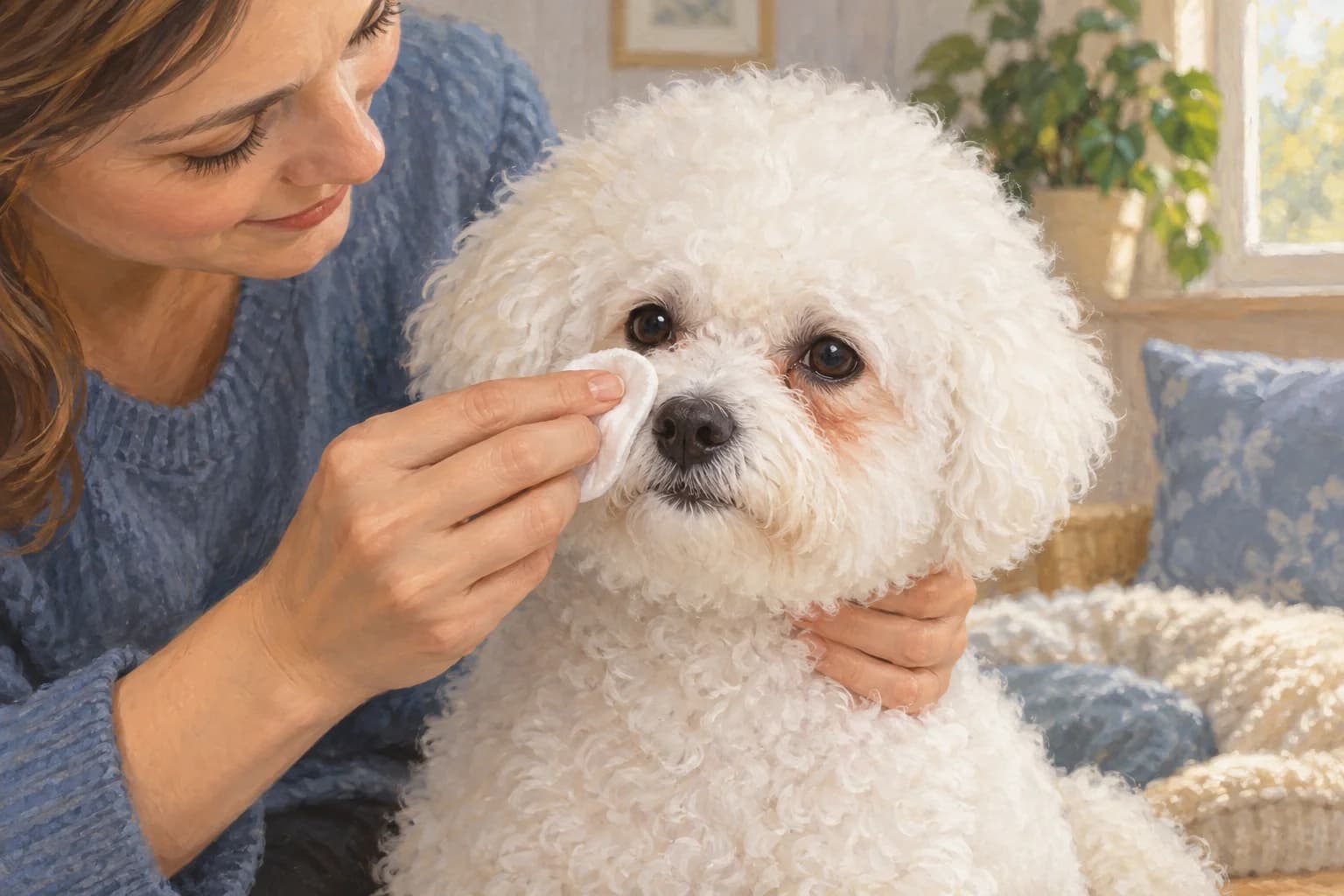
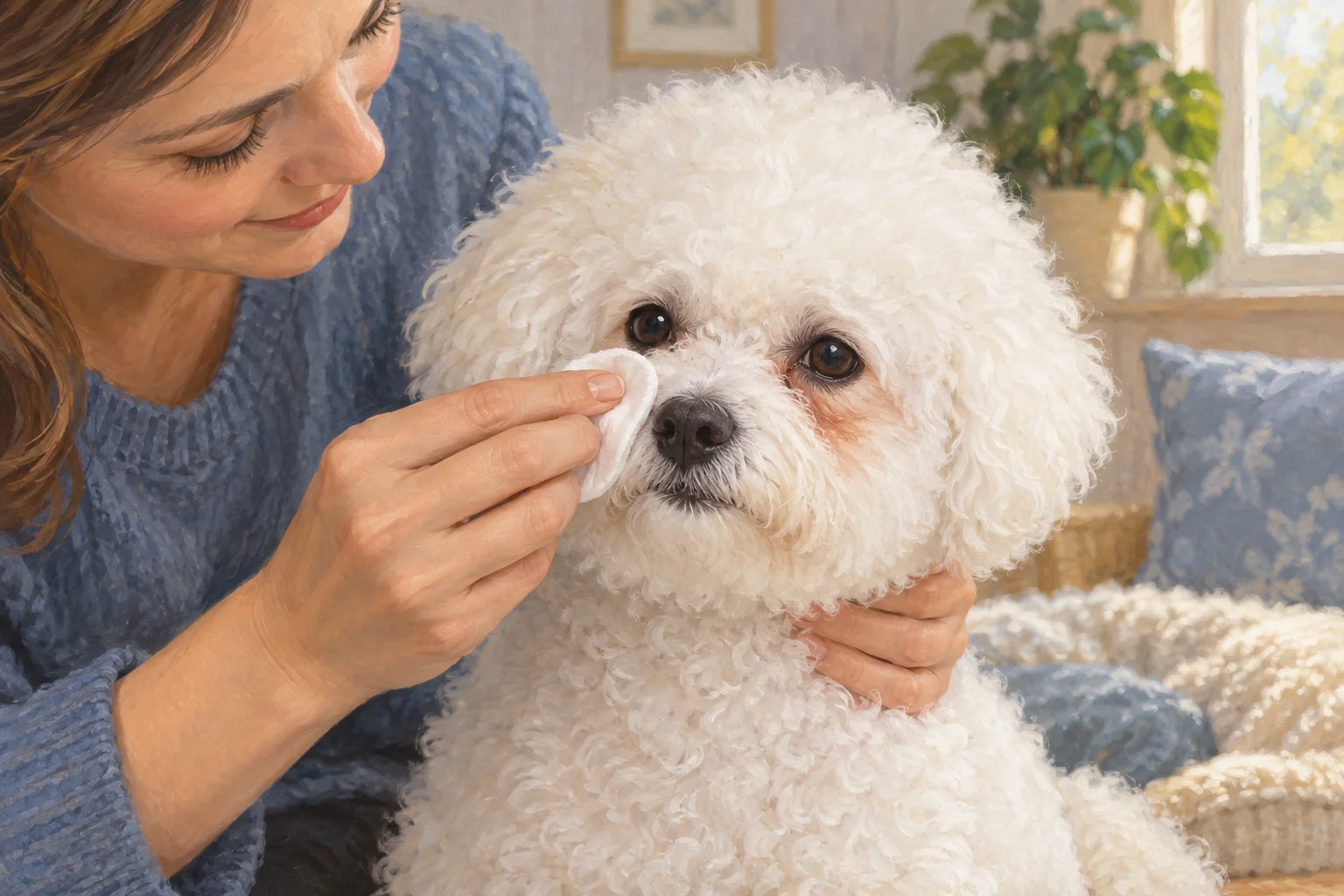
Tear stains are common in Bichons, and they’re often more of a grooming issue than a health emergency. The goal is gentle, consistent care—never harsh products near the eyes.

Why tear stains happen

  • Excess tearing (anatomy, blocked tear ducts)
  • Eye irritation (dust, hair rubbing the eye)
  • Skin moisture (staining worsens if the area stays damp)
  • Diet or allergy issues in some dogs

If staining is sudden or heavy, have your vet check for underlying causes.

Safe daily routine

1) Wipe gently once or twice daily with a soft, damp cloth

2) Dry the area to prevent moisture buildup

3) Trim hair around the eyes or ask your groomer to do it

Consistency is what fades stains over time.

What to avoid

  • Harsh chemicals or whitening agents near the eyes
  • Human products not made for dogs
  • DIY additives in water unless your vet approves

When to call the vet

  • Red, irritated eyes
  • Thick discharge
  • Squinting or pawing at the face
  • Sudden increase in tearing

These can signal an eye issue that needs treatment.

Tear‑stain checklist

Daily Tear‑Stain Care

  • Eyes wiped gently today
  • Face dried after wiping
  • Hair kept clear of eyes
  • No redness or thick discharge
If staining spikes, call your vet for a quick check.

The takeaway

Gentle cleaning, dry skin, and hair kept out of the eyes solve most tear‑stain issues. If symptoms change or worsen, a vet exam is the safest next step.

Sources consulted: General veterinary ophthalmology guidance and AKC breed care notes.

Related guides

Explore these next for a clearer, more complete picture:

Related Interactive Care Tool: Tear Stain & Coat Diagnostic

Interactive Diagnostic Engine

Tear Stain Root-Cause Diagnostic Quiz

Custom 4-Week Plan
Diagnostic Severity Evaluation

Severe Oxidative Tear Staining (100/100 Risk)

Identified Environmental & Dietary Triggers:
  • High tap water mineral & iron content (porphyrin catalyst)
  • Microscopic bacteria harboring in plastic bowl scratches
  • Chicken protein allergy causing systemic histamine reaction
  • Oxidized tear fluid accumulating on facial hair

Send your custom 4-Week Tear Stain Elimination Protocol to your email.

Frequently Asked Questions

Tear stains are caused by porphyrins—iron-containing molecules secreted through tears, saliva, and sweat that oxidize and turn reddish-brown when exposed to air and light.
Bichon Frise Hub Editorial Team

Our editorial team researches and writes practical care guides for Bichon Frise owners, drawing on veterinary guidelines, breed standards, and community experience.

Published: January 29, 2026
Last updated: January 29, 2026
Your Bichon Frise Hub Editorial Standards
Hello friend! "Wags tail" Tap me to play or chat! 🐾