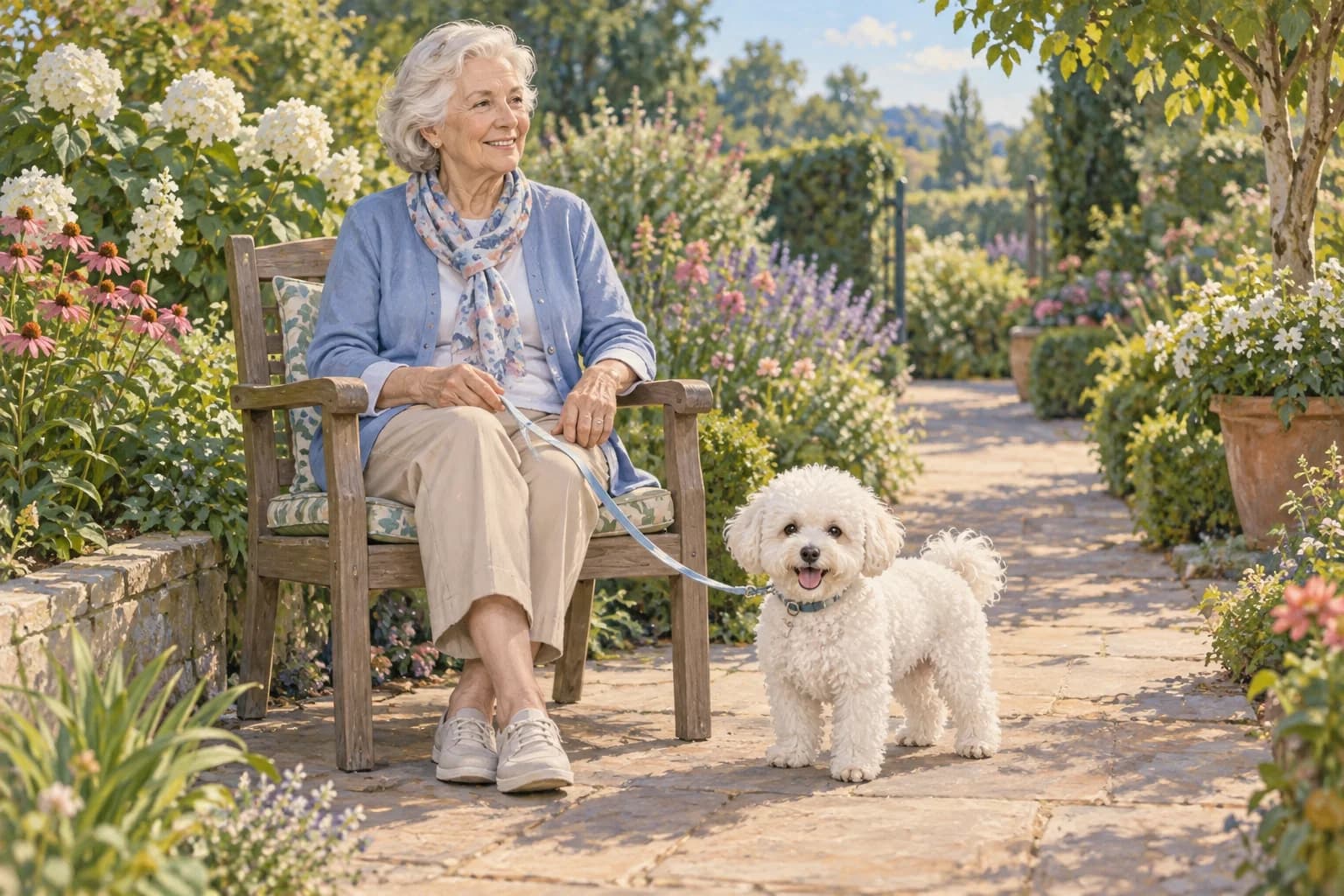
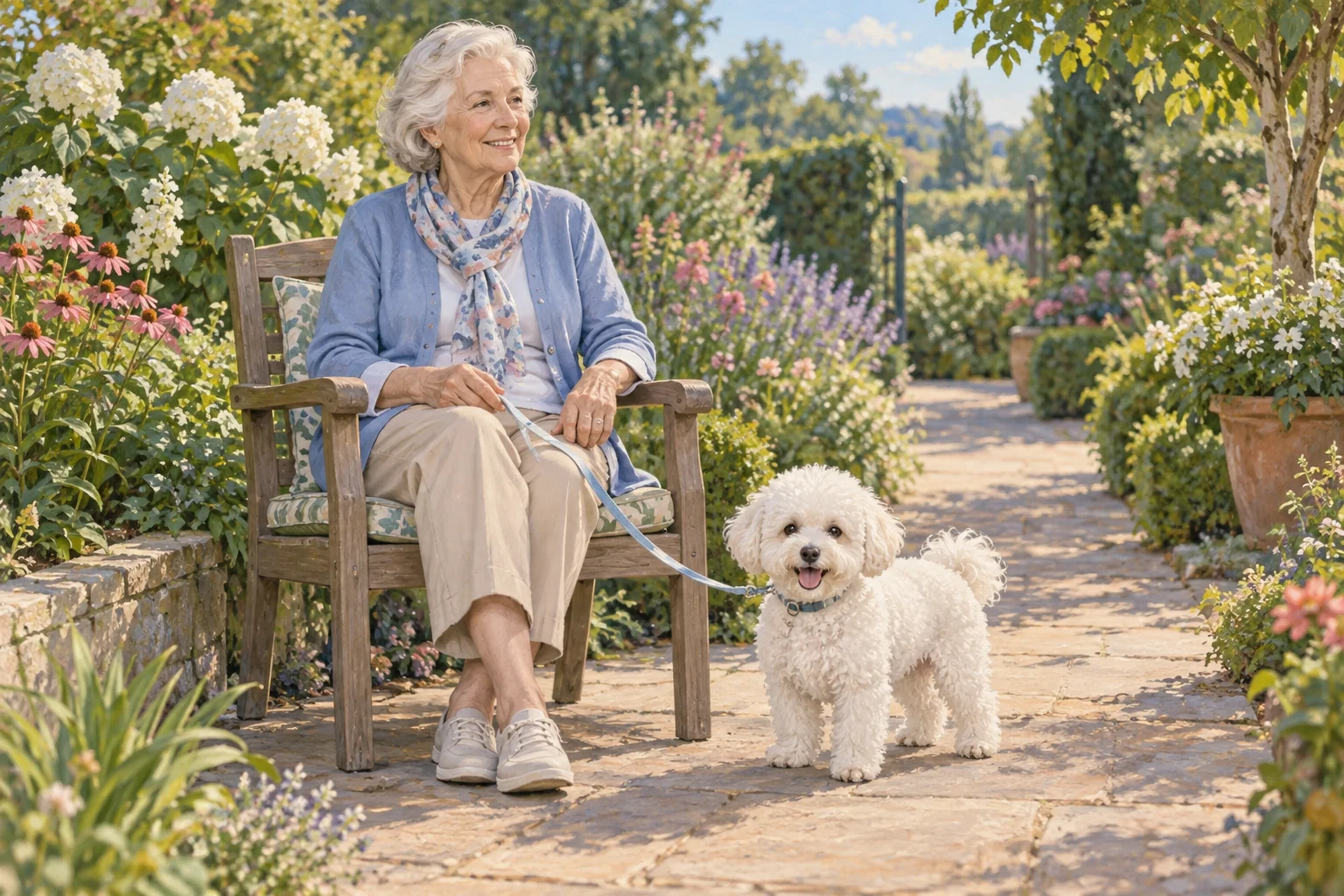
The best small dog for seniors is usually an adult dog with a calm temperament, manageable exercise needs, predictable grooming, and a size the owner can safely lift or control. Cavalier King Charles Spaniel, Bichon Frise, Shih Tzu, Havanese, Maltese, Toy or Miniature Poodle, French Bulldog, Pug, and some older rescue dogs can be good fits for the right person.
Age alone should not decide the breed. Mobility, budget, grooming help, travel, housing rules, and support from family or neighbors matter.
Quick Fit Table
| Dog type | Why it may fit | Watch carefully for |
|---|---|---|
| Adult rescue dog | Known temperament and energy | Health history and child/pet history |
| Cavalier King Charles Spaniel | Gentle, affectionate, moderate size | Heart health screening |
| Bichon Frise | Cheerful, low shedding | Grooming and potty consistency |
| Shih Tzu | Companion-focused, lower exercise | Face, eye, and coat care |
| Havanese | Social, sturdy, adaptable | Coat care and separation stress |
| Maltese | Tiny, affectionate, low shedding | Fragile size and grooming |
| Toy or Miniature Poodle | Smart, low shedding | Grooming and mental stimulation |
| French Bulldog | Compact, often lower exercise | Heat and breathing safety |
| Pug | Friendly, sturdy, social | Weight, heat, breathing, eyes |
AKC's senior-dog guidance includes a practical point many lists miss: adopting an adult rescue dog can avoid the energy and training load of raising a puppy.
Puppy or Adult Dog?
For many seniors, an adult dog is the better choice.
| Choice | Pros | Cons |
|---|---|---|
| Puppy | Bond from the start, trainable | Potty accidents, biting, night waking, high supervision |
| Adult dog | Known size and temperament | May need transition support |
| Senior dog | Calmer, often grateful companion | Possible medical costs |
A puppy can be joyful, but it is also physically demanding. Night potty trips, leash training, chewing, and constant supervision are real work.
What Seniors Should Check First
Before choosing a breed, answer:
- Can I safely walk this dog every day?
- Can I lift the dog if needed?
- Can I afford grooming every 4 to 8 weeks if the coat requires it?
- Who helps if I am sick or traveling?
- Does my housing allow this breed and size?
- Would an adult dog fit better than a puppy?
- Can I manage stairs, elevators, or winter potty trips?
The best dog is the one whose care stays realistic on an ordinary week.
Low-Shedding Options
Good low-shedding candidates can include:
- Bichon Frise
- Maltese
- Toy Poodle
- Miniature Poodle
- Havanese
- Yorkshire Terrier
Low shedding does not remove grooming costs. For many seniors, the easiest coat is a low-shedding breed kept in a short, practical pet trim.
Lower-Exercise Options
Some seniors want a walking companion. Others need a calmer dog.
Breeds often considered for gentler routines include:
- Cavalier King Charles Spaniel
- Shih Tzu
- Bichon Frise
- Pug
- French Bulldog
- Maltese
Flat-faced breeds such as Pugs and French Bulldogs need special care in heat and humidity. Short walks in cool weather are safer than hard exercise.
Avoid These Mismatches
- a tiny puppy for someone with balance issues
- a high-energy terrier without daily outlets
- a heavy dog the owner cannot lift or control
- a high-grooming coat with no grooming budget
- a breed prone to barking in senior housing
- a dog with separation anxiety for someone with frequent appointments
The wrong match can make both the owner and dog stressed.
Planning for Backup Care
Every senior dog owner should have a backup plan.
Write down:
- veterinarian contact
- food and medication instructions
- grooming schedule
- walking routine
- emergency caregiver
- permission for medical care if needed
This is practical, not pessimistic. It protects the dog and gives the owner more confidence.
FAQ
What is the easiest dog for seniors?
Often an adult or senior small dog with a known calm temperament is easiest. Breed matters, but individual history matters more.
Should a 75-year-old get a dog?
Many can, if the care plan is realistic and there is backup support. An adult dog may be safer than a puppy.
What is the calmest small dog for seniors?
Cavaliers, Shih Tzus, Bichons, Pugs, and some adult rescue dogs can be calm fits. Meet the individual dog before deciding.
What is the best small dog for seniors without shedding?
Bichons, Maltese, Poodles, Havanese, and Yorkies are common low-shedding options, but all need grooming and no dog is truly zero-shed.