Looking for a clear, friendly guide? Here’s a quick, practical snapshot tailored to this topic.
Quick take:
- Track symptoms and note changes over time.
- Keep regular vet checkups and ask about prevention.
- Focus on weight control and gentle exercise.
Optional upgrades (luxury touch)
If you want an extra‑comfort experience, these upgrades are completely optional but feel great in daily life:
- Annual wellness panel for deeper insight.
- Orthopedic support bed for joint comfort.
- Pet‑safe supplements approved by your vet.
Next steps
Make a simple health checklist to share at vet visits.
Looking for a clear, friendly guide? Here’s a quick, practical snapshot tailored to this topic.
Hip dysplasia is less common in very small breeds than in large ones, but joint problems can still happen. The best approach is to watch for early signs and protect joints with healthy habits.
Early signs of hip or joint trouble
- Limping or stiffness after rest
- Reluctance to jump or climb stairs
- Bunny‑hopping gait when running
- Decreased activity or play
What helps prevent joint strain
- Healthy weight: extra pounds stress small joints fast
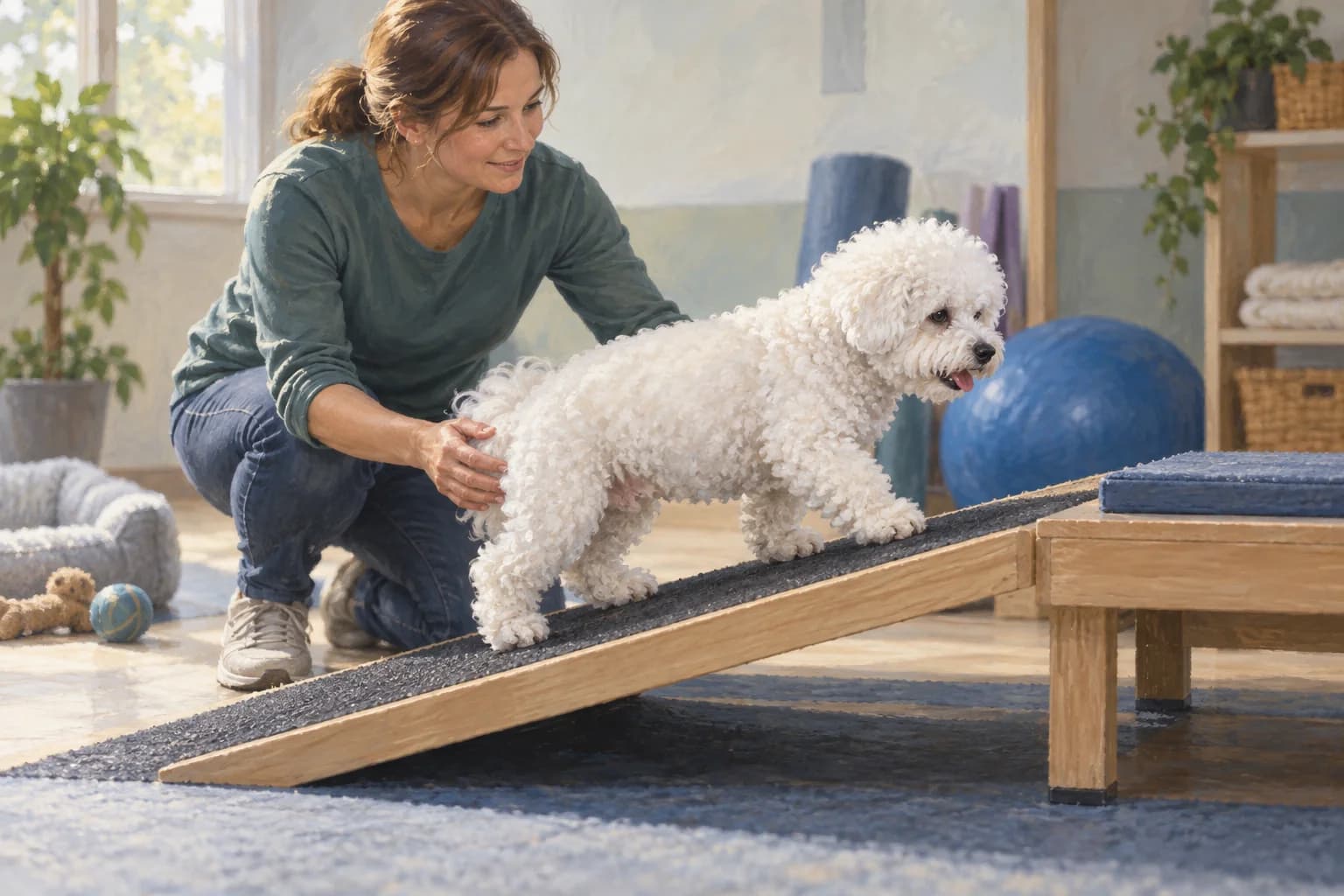
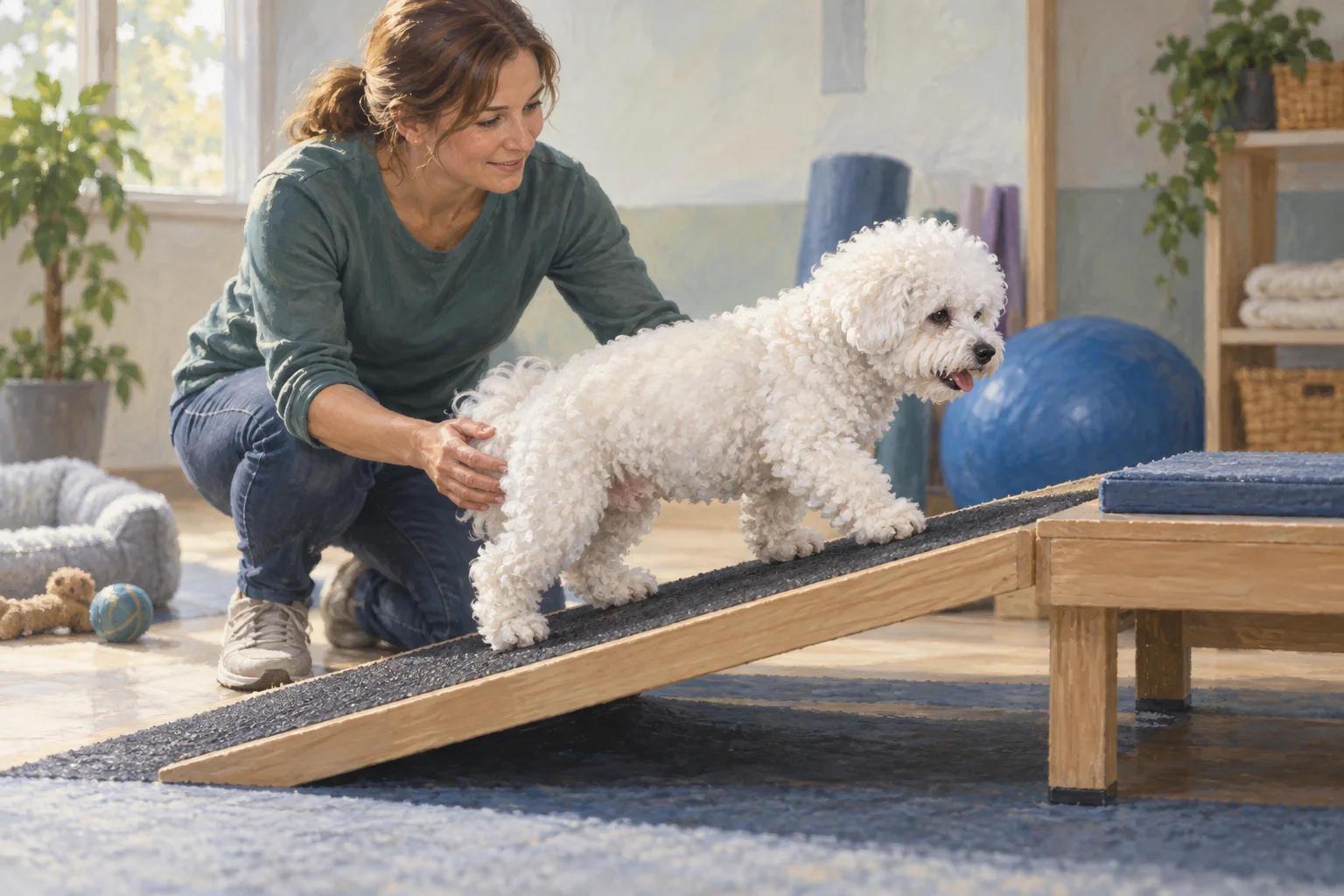
- Low‑impact exercise: short walks and play, not long jumps
- Soft surfaces: rugs or runners help with traction
- Gentle conditioning: regular, moderate movement keeps joints flexible
How vets diagnose joint issues
Your vet may use:
- A physical exam and gait assessment
- X‑rays if needed
- Discussion of activity changes and pain signals
Treatment options (vet‑guided)
- Weight management and activity adjustments
- Physical therapy or exercises
- Pain relief or anti‑inflammatory meds
- Surgery only in severe or unresponsive cases
Joint‑care checklist
Bichon Joint‑Care Routine
- Weight stable and healthy
- Daily low‑impact exercise
- No new limping or stiffness
- Slippery floors covered with rugs
- Vet check if mobility changes
The takeaway
Watch for subtle changes, keep weight healthy, and involve your vet early if anything looks off.
Sources consulted: General veterinary orthopedic guidance and breed‑health best practices for small dogs.
Related guides
Explore these next for a clearer, more complete picture: