Looking for a clear, friendly guide? Here’s a quick, practical snapshot tailored to this topic.
Quick take:
- Track symptoms and note changes over time.
- Keep regular vet checkups and ask about prevention.
- Focus on weight control and gentle exercise.
Optional upgrades (luxury touch)
If you want an extra‑comfort experience, these upgrades are completely optional but feel great in daily life:
- Annual wellness panel for deeper insight.
- Orthopedic support bed for joint comfort.
- Pet‑safe supplements approved by your vet.
Next steps
Make a simple health checklist to share at vet visits.
Looking for a clear, friendly guide? Here’s a quick, practical snapshot tailored to this topic.
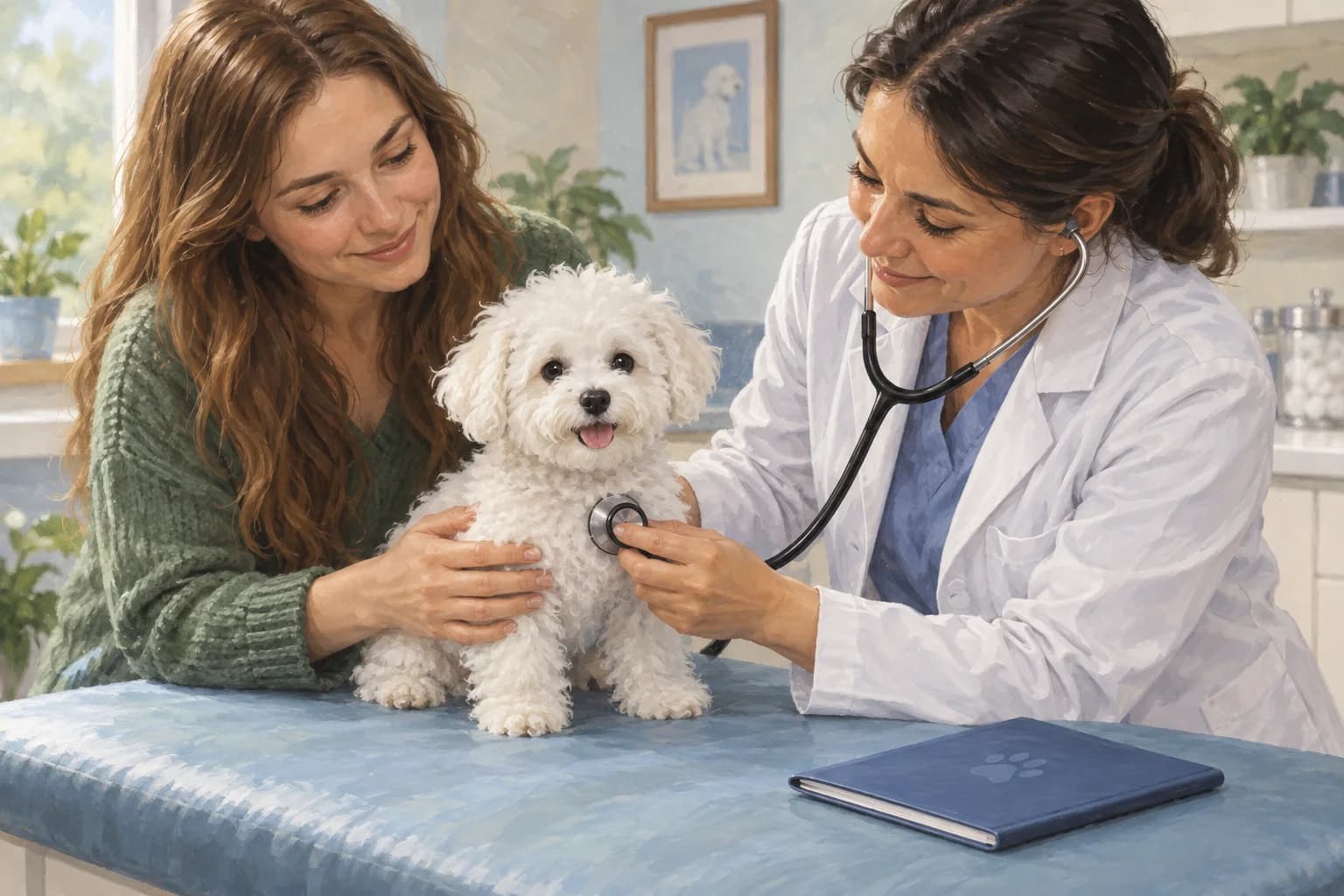
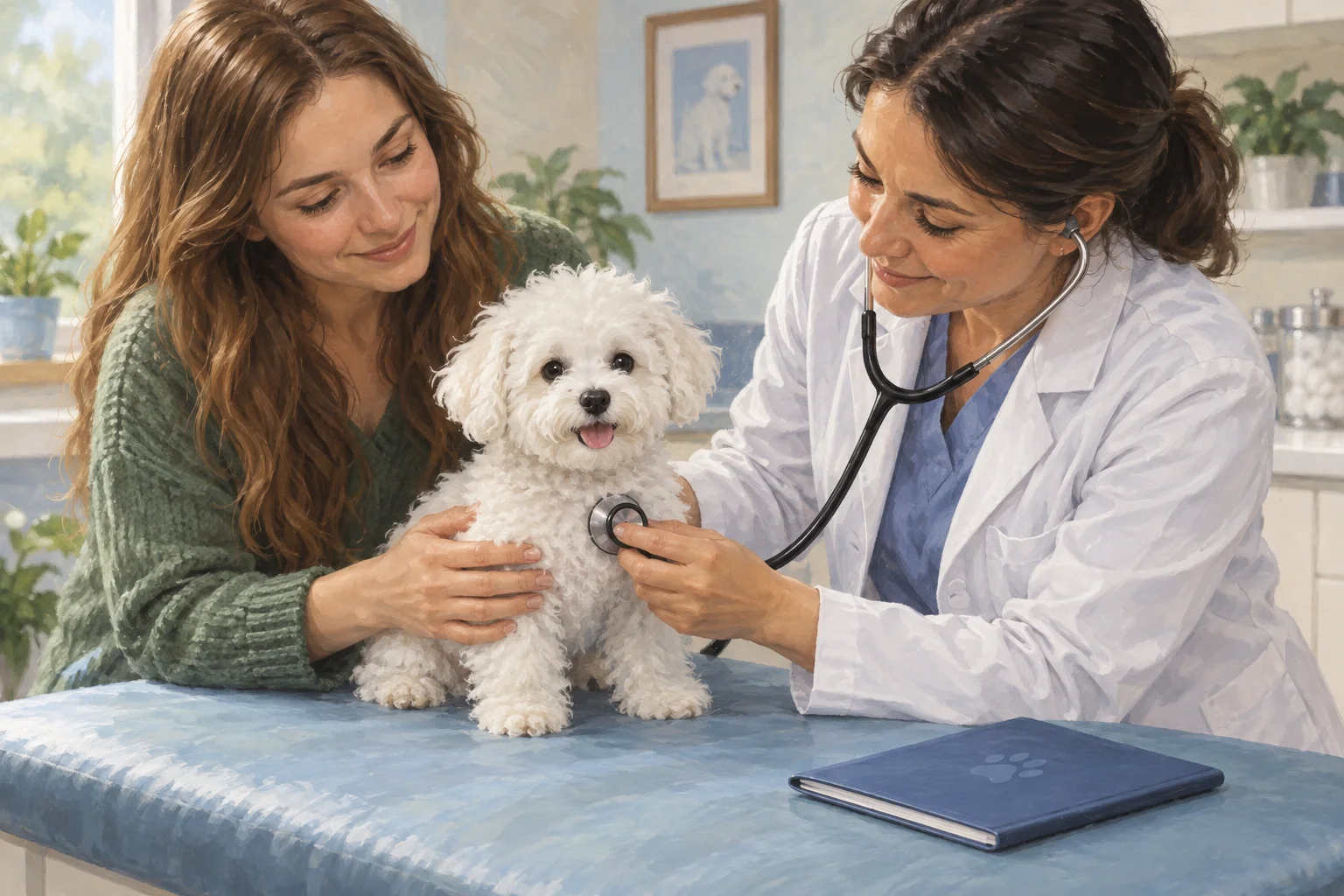
Vaccines protect your Bichon puppy during the most vulnerable months of life. Exact timing can vary by region and risk level, so your vet’s schedule always comes first. This guide explains what most owners can expect.
Typical timing (general guidance)
- A series of core vaccines usually starts around 6–8 weeks of age
- Boosters are often given every 3–4 weeks until the puppy is around 16 weeks old
- Rabies is required by law in many areas, with timing set by local rules
Your vet will tailor this based on your puppy’s health and local disease risk.
Core vs. optional vaccines (simplified)
Core vaccines are recommended for all puppies. Optional (non‑core) vaccines depend on lifestyle and location (for example, boarding, daycare, or regional risks).
Ask your vet which ones make sense for your Bichon.
Safety tips for the vaccine period
- Keep a record of all shots
- Avoid high‑traffic dog areas until your vet says it’s safe
- Watch for mild side effects (sleepiness or soreness) and report anything severe
Vaccination checklist
Puppy Vaccine Prep
- Vet schedule confirmed
- Vaccine record saved
- Low‑risk outings only
- Next booster appointment booked
Sources consulted: General veterinary vaccination guidelines and AKC breed care notes.
Related guides
Explore these next for a clearer, more complete picture: