Looking for a clear, friendly guide? Here’s a quick, practical snapshot tailored to this topic.
Quick take:
- Key tips you can apply immediately.
- Common mistakes to avoid.
- A simple routine to keep your Bichon happy and healthy.
Optional upgrades (luxury touch)
If you want an extra‑comfort experience, these upgrades are completely optional but feel great in daily life:
- Plush, washable bed with supportive padding.
- Professional grooming spa visit for a polished coat.
- Stainless steel or ceramic bowls for a premium feel.
Next steps
Explore related guides on the site to go deeper.
Looking for a clear, friendly guide? Here’s a quick, practical snapshot tailored to this topic.
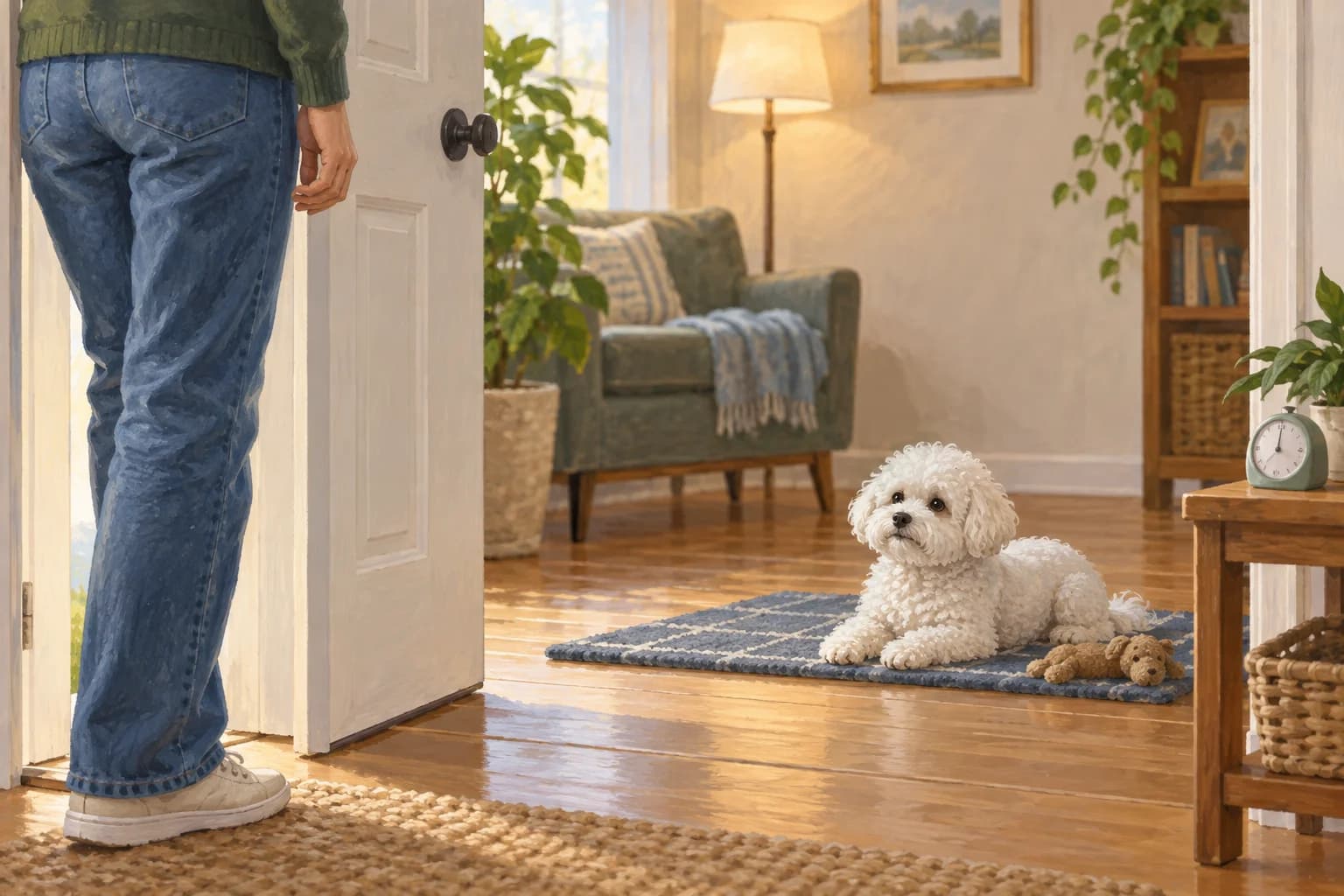
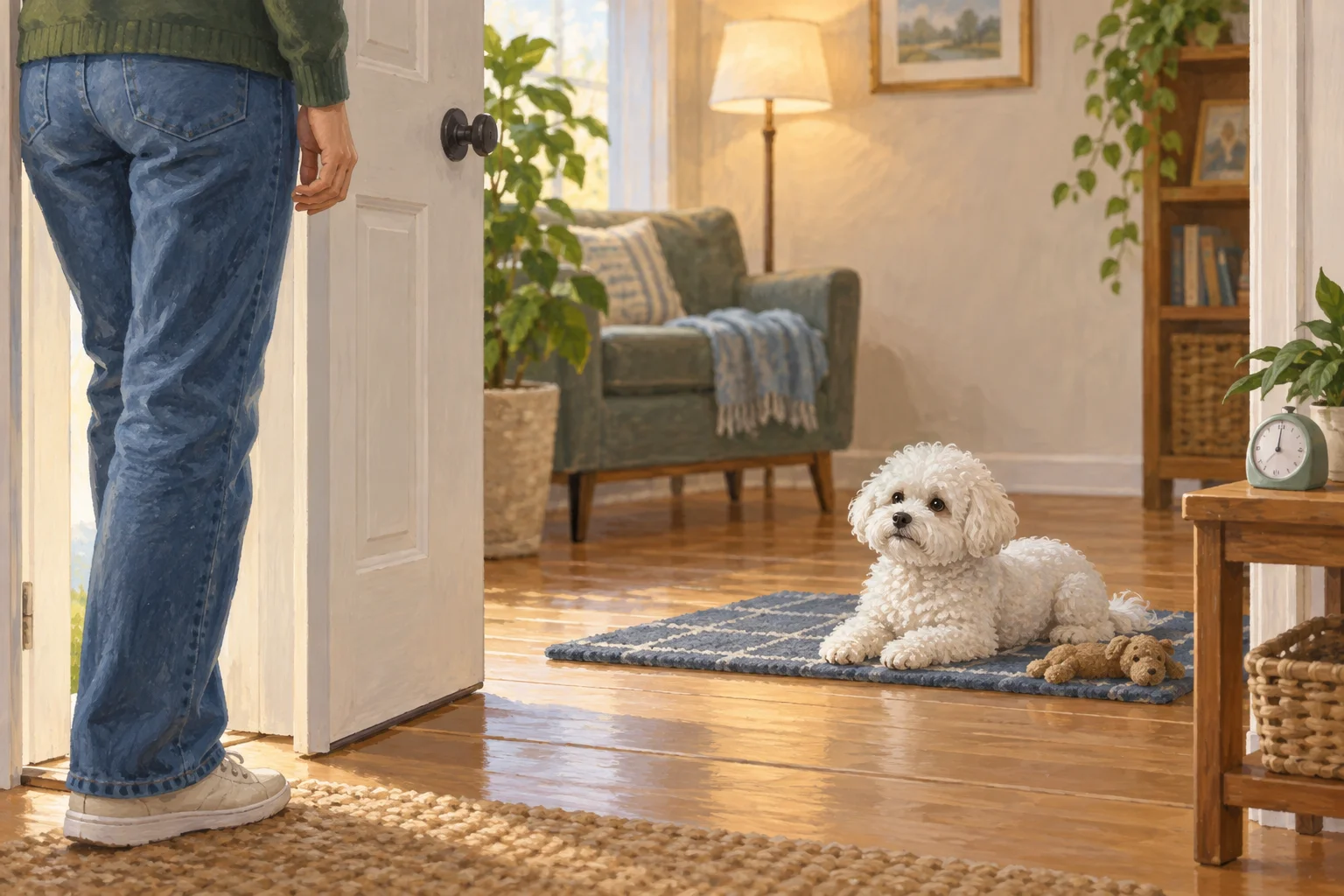
Bichons are companion dogs, so being alone can be hard for them. The fix is slow, structured desensitization—not quick fixes. Here’s a realistic plan that reduces stress and builds confidence.
Common signs of separation anxiety
- Barking, whining, or howling after you leave
- Destructive behavior near doors or windows
- Pacing, drooling, or panting
- Accidents only when alone
If these happen consistently, treat it as anxiety—not “bad behavior.”
Step‑by‑step training plan
1) Start with calm departures
Pick up your keys or put on shoes without leaving. Repeat until these cues feel boring.
2) Practice tiny absences
Leave for 30–60 seconds, return calmly, and reward relaxed behavior. Repeat multiple times daily.
3) Increase time slowly
Add a minute at a time. If your dog shows stress, shorten the duration and build again.
4) Add a pre‑departure routine
Give a puzzle toy or chew only when you leave to create a positive association.
Daily habits that make a big difference
- Exercise before alone time
- Keep departures low‑key (no big good‑byes)
- Use a consistent schedule
- Provide a safe, cozy space
When to get professional help
Contact a vet or certified trainer if:
- Anxiety is severe or getting worse
- Your dog injures themselves or destroys doors/windows
- Progress stalls for weeks
Medication plus training can be a game‑changer in serious cases.
Separation‑anxiety checklist
Calm‑Alone Plan
- Departure cues practiced without leaving
- Short absences practiced daily
- Puzzle or chew only for alone time
- Exercise before departures
- Progress tracked weekly
Sources consulted: General veterinary behavior guidance on separation anxiety and gradual desensitization.
Related guides
Explore these next for a clearer, more complete picture: