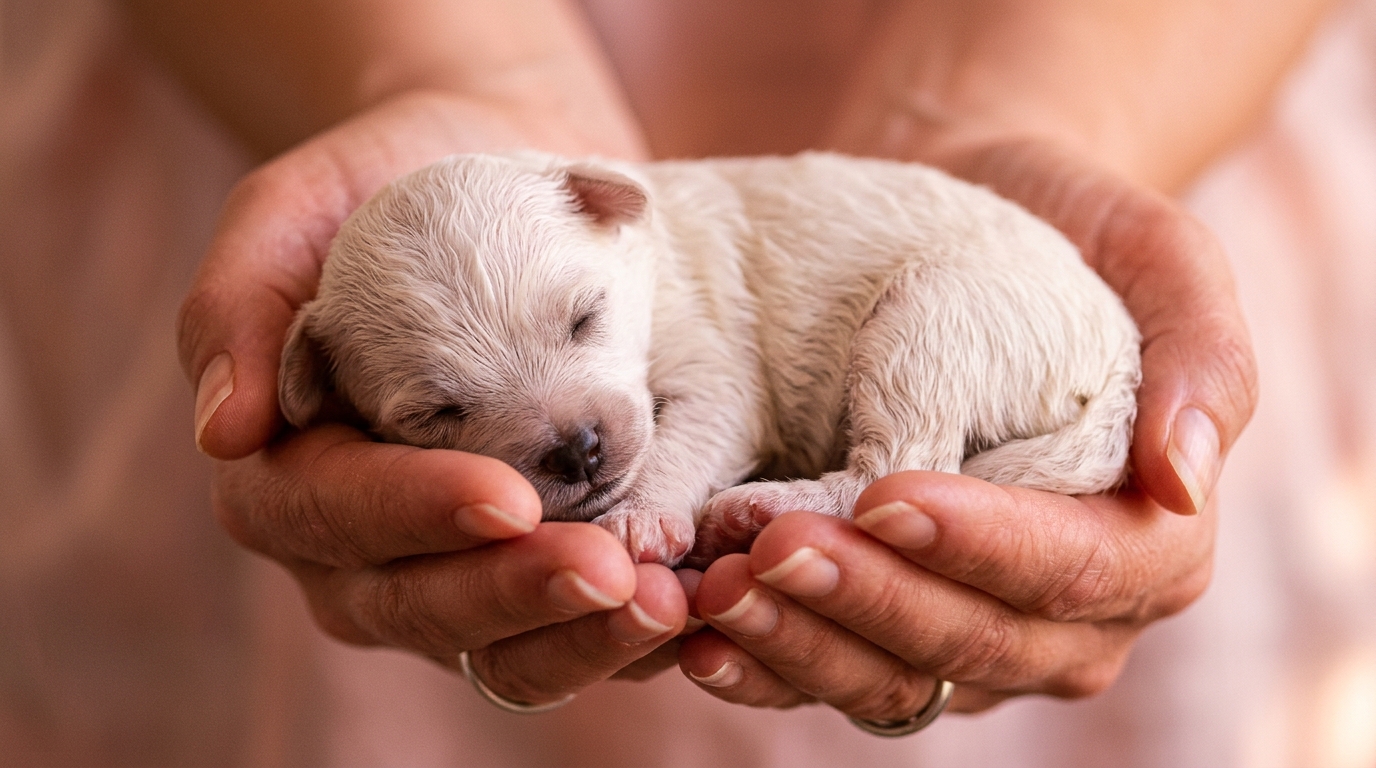
Understanding Pregnancy in Bichon Frises
Expecting puppies is an exciting time, and for a Bichon Frise owner, ensuring a healthy pregnancy is crucial. This guide covers essential tips for providing your Bichon Frise with the right care and support during pregnancy.
How Long Does Pregnancy Last?
Bichon Frises generally experience a pregnancy duration of about 63 days, similar to other small dog breeds. The timeline varies slightly, so regular veterinary checkups are vital to monitor your dog’s health and anticipate the delivery date.
Signs of Pregnancy in Bichon Frises
Behavioral Changes
During the early stages, you may notice subtle behavioral changes. Some Bichon Frises may become more affectionate, while others might be more withdrawn. Monitoring these changes is crucial, as they help indicate her comfort and wellbeing.
Physical Signs
By the third week, there may be physical signs such as slight weight gain and nipple enlargement. Around the fifth week, your Bichon Frise’s abdomen will start to expand as the puppies develop.
Diet and Nutrition for Pregnant Bichon Frises
Caloric Intake
A pregnant Bichon Frise requires additional calories to support her and the puppies’ growth. However, a balance is essential. Increase her food portions gradually, focusing on high-quality dog food rich in protein, vitamins, and minerals.
Nutritional Supplements
Speak with your vet about potential supplements, as they can recommend suitable ones to support bone and muscle development in the puppies. Avoid over-supplementing, as it can harm both the mother and puppies.
Exercise Needs for Pregnant Bichon Frises
Safe Activities
Exercise is important for pregnant Bichon Frises, but it should be low-impact and enjoyable. Gentle walks and light play sessions help maintain her muscle tone without overexertion. Avoid rigorous activities, especially in the later stages, as they can cause stress.
Monitoring for Signs of Fatigue
Watch for any signs of fatigue or discomfort. If she shows reluctance to walk or engage in usual activities, let her rest and reduce exercise accordingly.
Veterinary Care During Pregnancy
Regular Checkups
Frequent vet visits are necessary to monitor the health of the mother and puppies. During these checkups, the vet may perform ultrasounds to assess the development of the puppies and check for any potential complications.
Vaccinations and Preventive Care
Ensuring she is up-to-date on vaccinations before breeding is best, as administering vaccines during pregnancy can sometimes pose risks. Discuss any preventive care options with your vet, such as safe flea and tick preventatives.
Preparing for Delivery Day
Creating a Whelping Area
Set up a quiet, comfortable whelping area where your Bichon Frise can nest. Use clean, soft bedding and provide a space that is private but allows you to supervise when necessary.
Signs of Labor
Signs of labor in a Bichon Frise include nesting behavior, restlessness, and a drop in body temperature. When labor begins, watch for the first puppy within two hours of contractions starting. If it takes longer, contact your vet.
Postnatal Care for the Mother and Puppies
Aftercare for the Mother
After delivery, monitor her for signs of exhaustion or distress. A nutrient-rich diet is essential to support her as she recovers and begins nursing.
Caring for Newborn Puppies
Keep the newborn puppies warm and ensure they are nursing adequately. Consult your vet for advice on any supplemental feeding if needed and schedule their first checkup.
Conclusion
With attentive care and regular checkups, you can help ensure a healthy pregnancy and delivery for your Bichon Frise. Following these steps will set the foundation for a healthy, happy litter and a smooth experience for both mother and owner.