Looking for a clear, friendly guide? Here’s a quick, practical snapshot tailored to this topic.
Quick take:
- Pick age-appropriate nutrition and confirm the protein source.
- Watch portion sizes to prevent weight creep.
- Transition foods slowly to avoid stomach upset.
Optional upgrades (luxury touch)
If you want an extra‑comfort experience, these upgrades are completely optional but feel great in daily life:
- Premium slow‑feed bowl for calmer mealtimes.
- Measured meal prep containers for perfect portions.
- High‑grade water fountain for hydration.
Next steps
Compare food options side‑by‑side and adjust based on energy, coat, and digestion.
Looking for a clear, friendly guide? Here’s a quick, practical snapshot tailored to this topic.
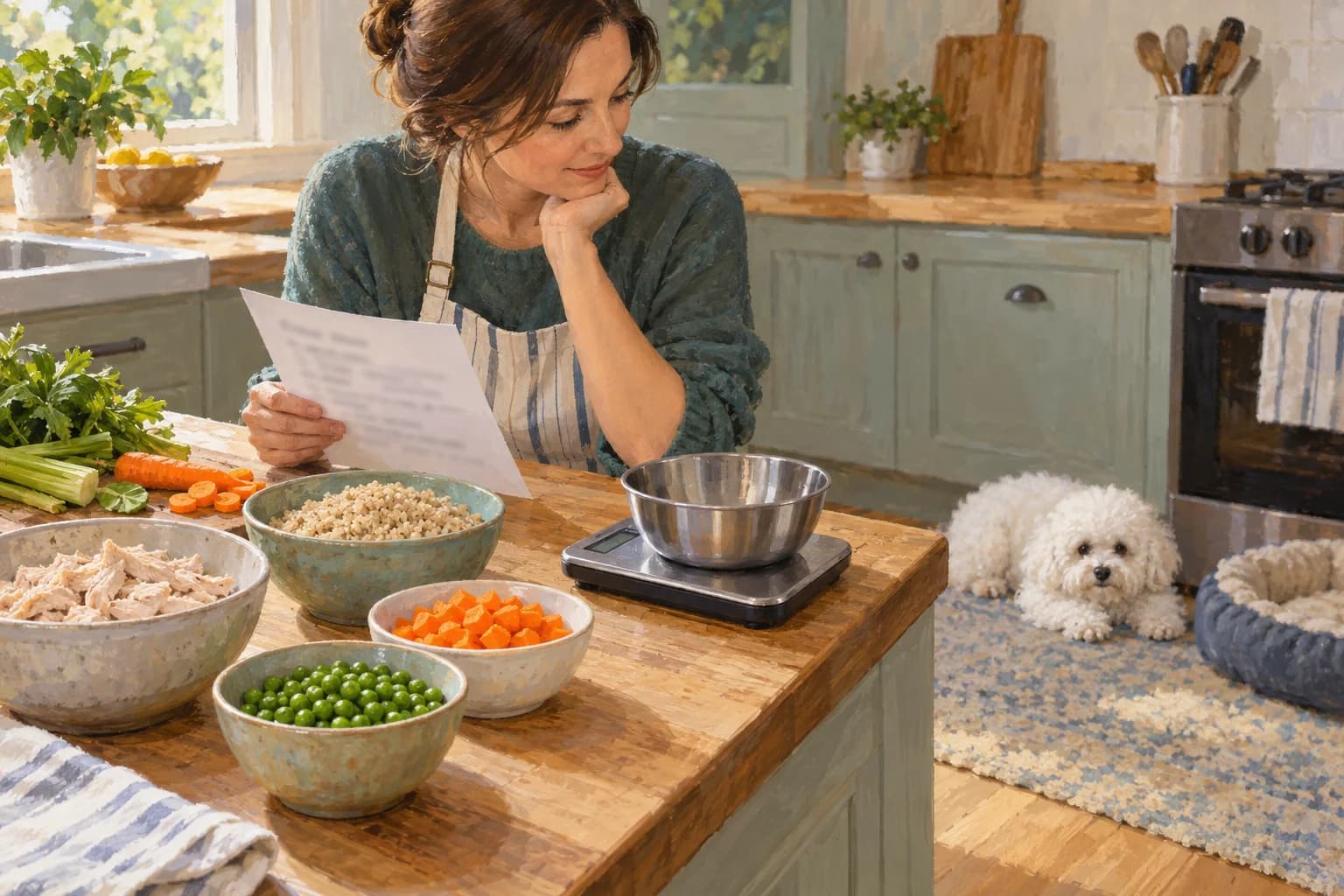
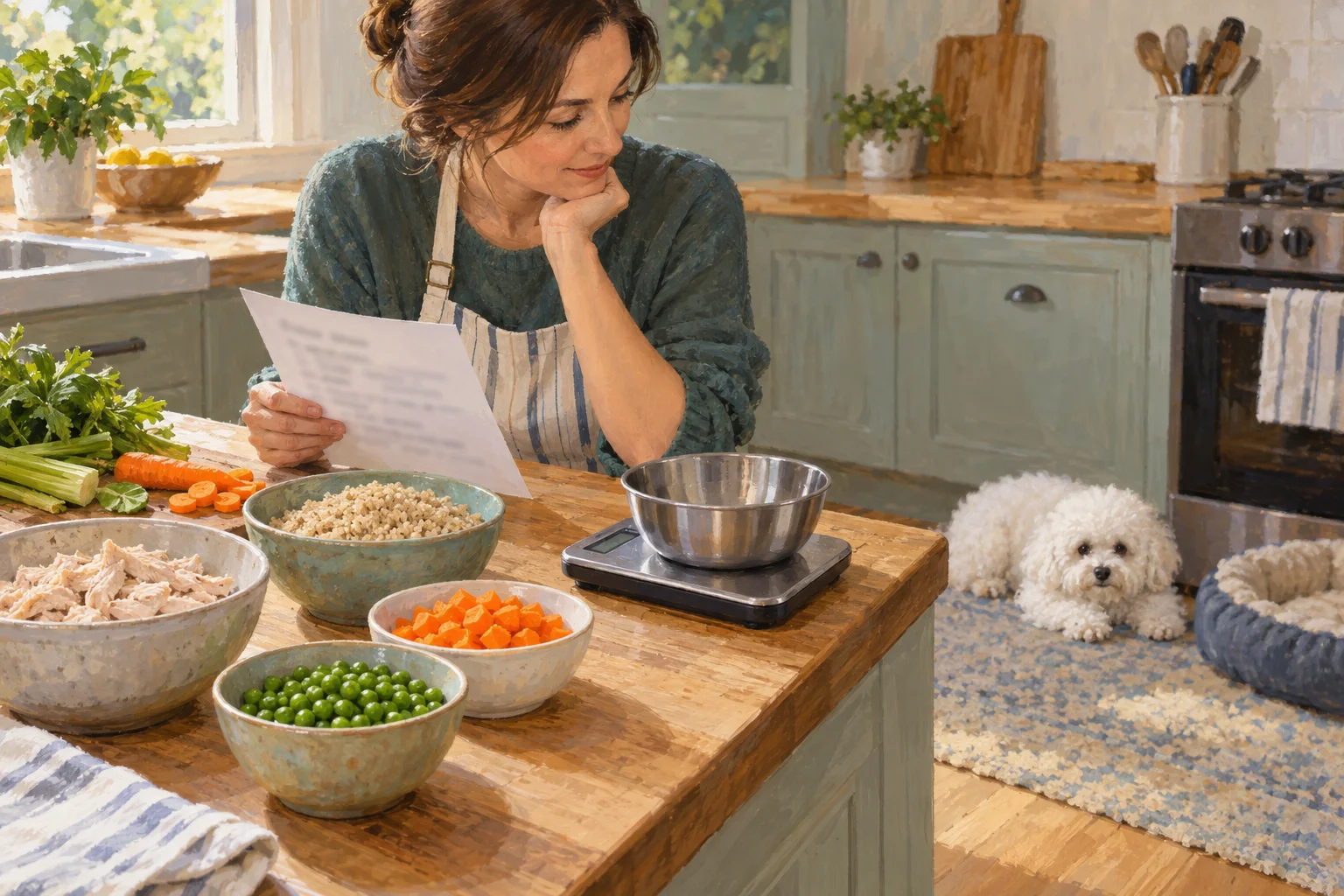
Homemade meals can work, but only if they’re nutritionally complete. Small dogs need precise balance, so involve your vet before switching fully.
What makes homemade feeding tricky
- Dogs need specific vitamin and mineral levels
- Imbalances can take months to show symptoms
- “Healthy for humans” isn’t always balanced for dogs
If you want to start safely
1) Ask your vet about a balanced recipe or referral to a veterinary nutritionist
2) Use a measured portion, not a guess
3) Introduce changes slowly over 7–10 days
Foods to avoid
- Onions, garlic, chives
- Grapes and raisins
- Chocolate and caffeine
- Xylitol (sweetener)
Homemade‑feeding checklist
Homemade Diet Safety
- Vet‑approved recipe in hand
- Portions measured
- No toxic ingredients
- Transition done slowly
Sources consulted: General veterinary nutrition guidance on complete and balanced homemade diets.
Related guides
Explore these next for a clearer, more complete picture: