Practical Bichon Frise care guides — grooming, health, nutrition & daily routines
Bichon Frise
Care & Health Hub
Presentation
Updated January 29, 2026
2 min read

How Often to Bathe a Bichon Frise (Without Drying the Skin)

Editorially reviewedSources checked and medical claims linked for reader verification
Updated: January 29, 2026
Editorial policy
How Often to Bathe a Bichon Frise (Without Drying the Skin)

Key Takeaways

  • Short, positive care routines work best for Bichon Frises.
  • Daily coat maintenance prevents matting and protects sensitive skin.
  • Always seek prompt guidance from a licensed veterinarian for health concerns.
Free Live Feature • Instant AI Visual Triage
100% Free & Non-Clinical

Got a Photo of Your Dog? Run Free Instant AI Visual Analysis

Upload a photo of your Bichon for instant coat matting, facial tear-stain severity grading, and non-clinical care protocol guidance.

Looking for a clear, friendly guide? Here’s a quick, practical snapshot tailored to this topic.

Quick take:

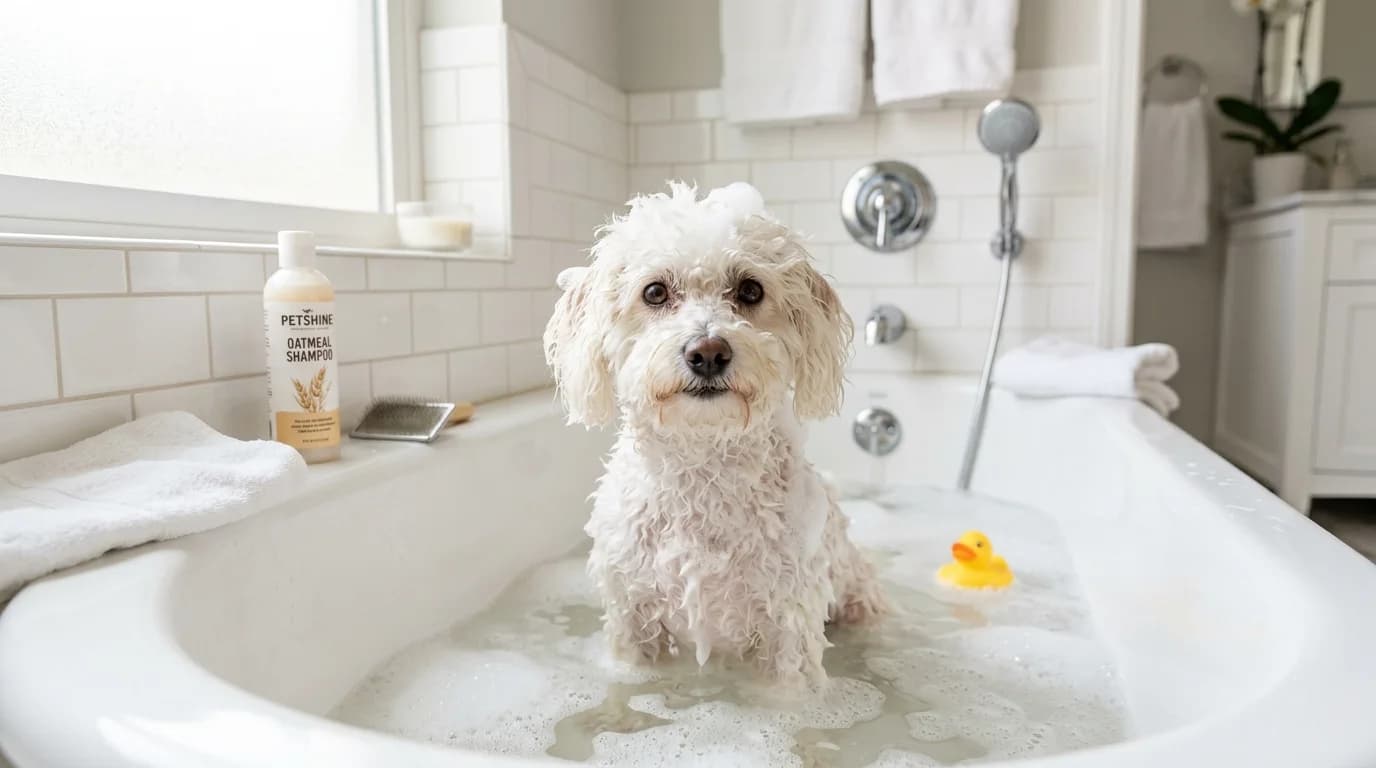
  • Use lukewarm water and a dog‑safe, tear‑free shampoo.
  • Dry fully to avoid damp skin irritation.
  • Reward calm behavior to make bath time easier.

Optional upgrades (luxury touch)

If you want an extra‑comfort experience, these upgrades are completely optional but feel great in daily life:

  • Soft microfiber drying wrap.
  • Low‑heat dryer for a fluffy finish.
  • Conditioning mask for coat softness.

Next steps

Create a bath routine that matches coat length and activity level.


How Often to Bathe a Bichon Frise (Without Drying the Skin)

Looking for a clear, friendly guide? Here’s a quick, practical snapshot tailored to this topic.

Bichons need regular baths because their coats trap dirt, but overbathing can dry the skin. The sweet spot is a consistent routine with good brushing between baths.

Typical bathing rhythm

Many owners do well with a bath every 3–4 weeks, adjusting for activity level and coat length. Your vet may recommend a different schedule if your dog has skin issues.

Signs it’s time for a bath

  • Coat feels greasy or looks dull
  • Noticeable odor
  • Visible dirt in the coat

Bathing tips that prevent irritation

  • Use dog‑safe, gentle shampoo
  • Rinse thoroughly (leftover shampoo causes itching)
  • Dry completely, especially around the ears and underarms

Bathing checklist

Bichon Bath Routine

  • Brushed before the bath
  • Gentle shampoo used
  • Coat fully rinsed
  • Coat dried completely
A clean, dry coat prevents mats and irritation.

Sources consulted: AKC Bichon Frise breed overview (coat and grooming needs).

Related guides

Explore these next for a clearer, more complete picture:

Related Interactive Care Tool: Tear Stain & Coat Diagnostic

Interactive Diagnostic Engine

Tear Stain Root-Cause Diagnostic Quiz

Custom 4-Week Plan
Diagnostic Severity Evaluation

Severe Oxidative Tear Staining (100/100 Risk)

Identified Environmental & Dietary Triggers:
  • High tap water mineral & iron content (porphyrin catalyst)
  • Microscopic bacteria harboring in plastic bowl scratches
  • Chicken protein allergy causing systemic histamine reaction
  • Oxidized tear fluid accumulating on facial hair

Send your custom 4-Week Tear Stain Elimination Protocol to your email.

Bichon Frise Hub Editorial Team

Our editorial team researches and writes practical care guides for Bichon Frise owners, drawing on veterinary guidelines, breed standards, and community experience.

Published: January 29, 2026
Last updated: January 29, 2026
Your Bichon Frise Hub Editorial Standards
Hello friend! "Wags tail" Tap me to play or chat! 🐾