Practical Bichon Frise care guides — grooming, health, nutrition & daily routines
Bichon Frise
Care & Health Hub
Protection
Updated January 29, 2026
2 min read

Low‑Fat Treats for Bichon Frises: Small, Simple, and Safe

Editorially reviewedSources checked and medical claims linked for reader verification
Updated: January 29, 2026
Editorial policy
Low‑Fat Treats for Bichon Frises: Small, Simple, and Safe

Key Takeaways

  • Short, positive care routines work best for Bichon Frises.
  • Daily coat maintenance prevents matting and protects sensitive skin.
  • Always seek prompt guidance from a licensed veterinarian for health concerns.
Free Live Feature • Instant AI Visual Triage
100% Free & Non-Clinical

Got a Photo of Your Dog? Run Free Instant AI Visual Analysis

Upload a photo of your Bichon for instant coat matting, facial tear-stain severity grading, and non-clinical care protocol guidance.

Hidden Article Secret!Click the tennis ball to throw it for Pup ROGOD!

Looking for a clear, friendly guide? Here’s a quick, practical snapshot tailored to this topic.

Quick take:

  • Key tips you can apply immediately.
  • Common mistakes to avoid.
  • A simple routine to keep your Bichon happy and healthy.

Optional upgrades (luxury touch)

If you want an extra‑comfort experience, these upgrades are completely optional but feel great in daily life:

  • Plush, washable bed with supportive padding.
  • Professional grooming spa visit for a polished coat.
  • Stainless steel or ceramic bowls for a premium feel.

Next steps

Explore related guides on the site to go deeper.


Low‑Fat Treats for Bichon Frises: Small, Simple, and Safe

Looking for a clear, friendly guide? Here’s a quick, practical snapshot tailored to this topic.

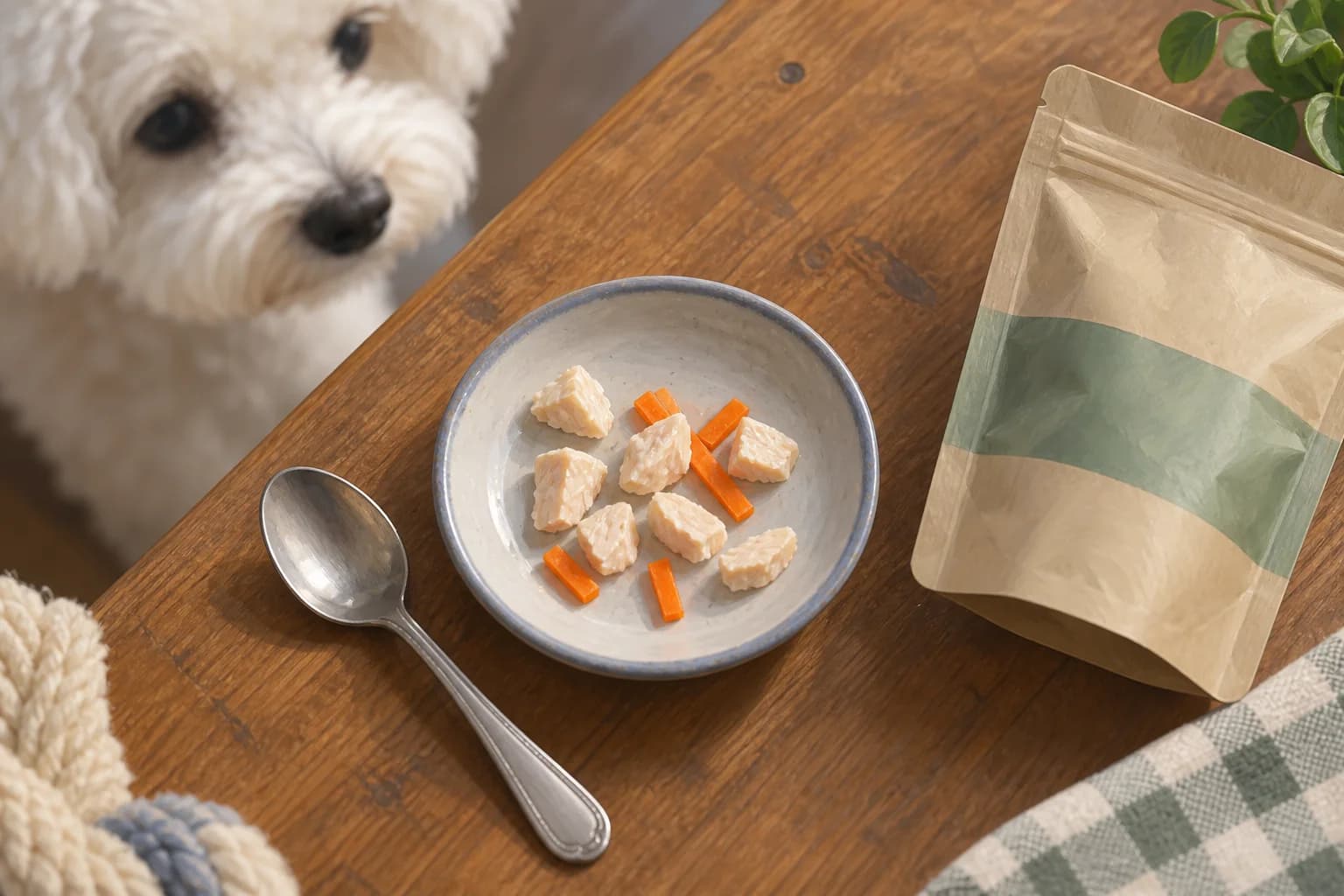
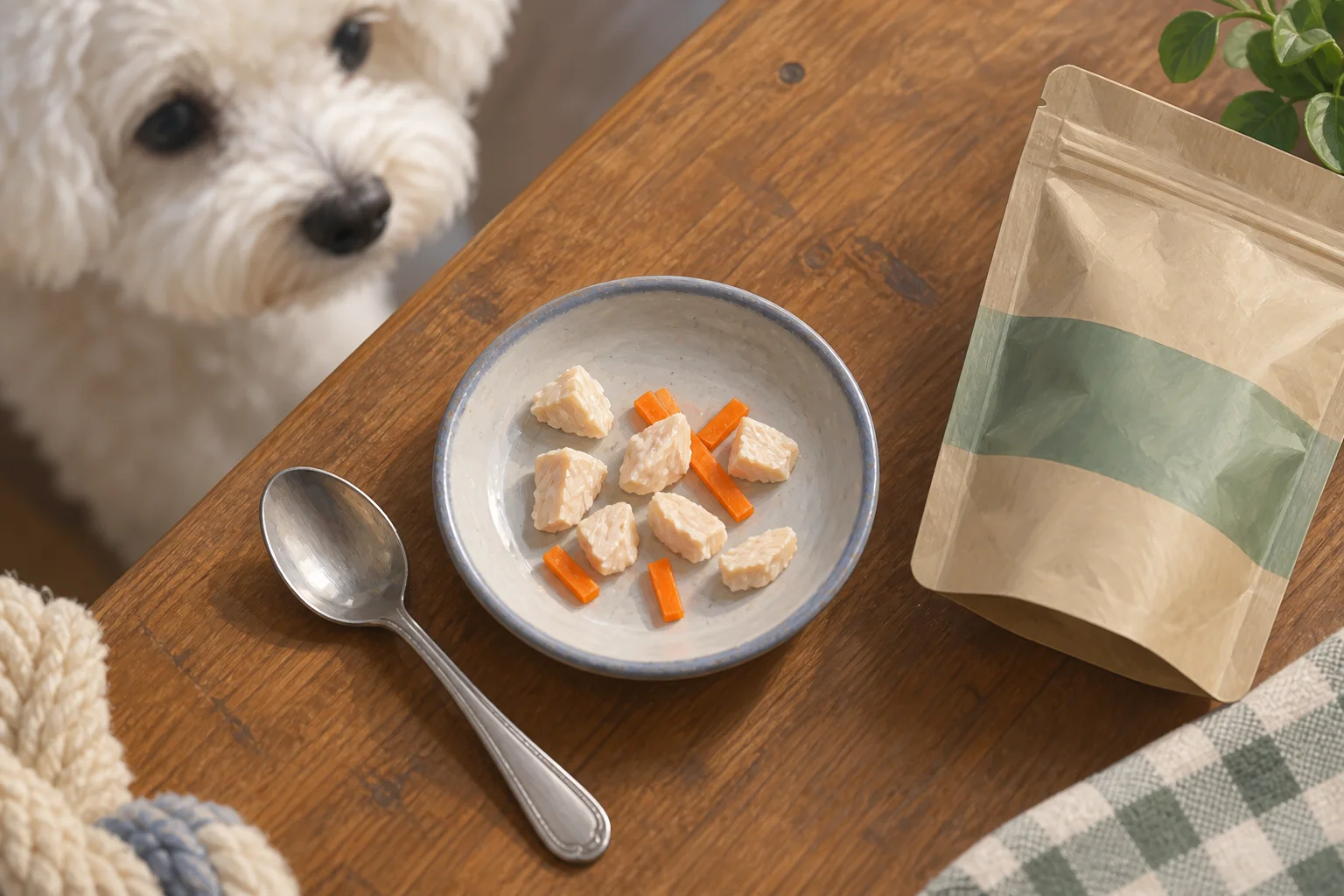
Bichons are small, so treats should be tiny and low‑fat. Think of treats as training rewards, not snacks between meals.

Good low‑fat options (small portions)

  • Small pieces of plain cooked chicken or turkey
  • Baby carrots or green beans
  • A few blueberries
  • Plain pumpkin (tiny spoon)
  • Commercial low‑fat treats with simple ingredients

Treat rules that prevent weight gain

  • Keep treats under 10% of daily calories
  • Break treats into small pieces
  • Reduce kibble slightly if treats are used often

Treat checklist

Low‑Fat Treat Check

  • Treats are tiny, not snack‑size
  • No added sugars or fats
  • Toxic foods avoided
  • Treats counted toward daily calories
Consistency beats “perfect” treats.

Sources consulted: General veterinary nutrition guidance on treat calories and portion control.

Related guides

Explore these next for a clearer, more complete picture:

Related Interactive Care Tool: Food & Toxicity Checker

Real-Time Clinical Calculator

Toxic Food & Chocolate Toxicity Hazard Calculator

ASPCA: (888) 426-4435
Dog Weight:12 lbs (5.4 kg)
Estimated Quantity Ingested:1.5 oz (~43 grams)
Toxicity Assessment Result
Urgent Veterinary Emergency

SEVERE TOXICITY HAZARD

Calculated toxicity dose is 110 mg/kg (Severe risk threshold is 40 mg/kg). Seek emergency veterinary care immediately.

Symptoms to Watch For:
  • Vomiting & Diarrhea
  • Panting & Restlessness
  • Elevated Heart Rate
  • Seizures / Muscle Tremors

Send Toxic Hazard Guide & First-Aid Checklist to Email

Get our complete 20-page household pet poison emergency reference sheet.

Bichon Frise Hub Editorial Team

Our editorial team researches and writes practical care guides for Bichon Frise owners, drawing on veterinary guidelines, breed standards, and community experience.

Published: January 29, 2026
Last updated: January 29, 2026
Your Bichon Frise Hub Editorial Standards
Hello friend! "Wags tail" Tap me to play or chat! 🐾