Practical Bichon Frise care guides — grooming, health, nutrition & daily routines
Bichon Frise
Care & Health Hub
Presentation
Updated January 29, 2026
2 min read

Professional vs. At‑Home Grooming for Bichons: What Works Best

Editorially reviewedSources checked and medical claims linked for reader verification
Updated: January 29, 2026
Editorial policy
Professional vs. At‑Home Grooming for Bichons: What Works Best

Key Takeaways

  • Short, positive care routines work best for Bichon Frises.
  • Daily coat maintenance prevents matting and protects sensitive skin.
  • Always seek prompt guidance from a licensed veterinarian for health concerns.
Free Live Feature • Instant AI Visual Triage
100% Free & Non-Clinical

Got a Photo of Your Dog? Run Free Instant AI Visual Analysis

Upload a photo of your Bichon for instant coat matting, facial tear-stain severity grading, and non-clinical care protocol guidance.

Hidden Article Secret!Click the tennis ball to throw it for Pup ROGOD!

Looking for a clear, friendly guide? Here’s a quick, practical snapshot tailored to this topic.

Quick take:

  • Brush consistently to prevent mats and keep the coat airy.
  • Use a gentle shampoo and rinse thoroughly.
  • Schedule trims every 4–6 weeks for a tidy face and feet.

Optional upgrades (luxury touch)

If you want an extra‑comfort experience, these upgrades are completely optional but feel great in daily life:

  • Silk‑like detangling spray for smoother brushing.
  • Professional spa groom with finishing cologne (dog‑safe).
  • High‑quality slicker and comb set.

Next steps

Build a simple grooming calendar you can stick to year‑round.


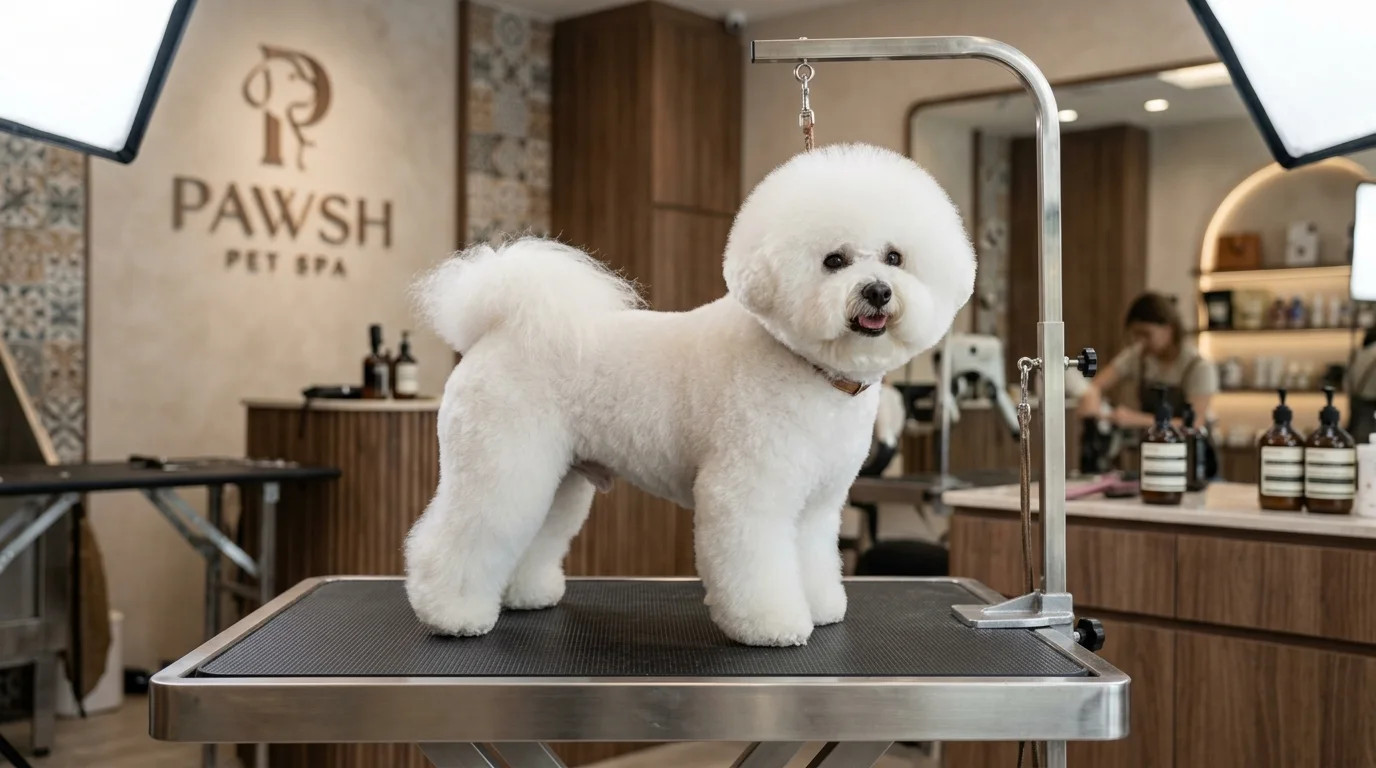
Professional vs. At‑Home Grooming for Bichons: What Works Best

Looking for a clear, friendly guide? Here’s a quick, practical snapshot tailored to this topic.

Bichons need frequent coat care. The best choice isn’t just about cost—it’s about time, skill, and your dog’s comfort. Many owners use a mix of both.

Professional grooming

Pros

  • Breed‑appropriate trims
  • Less stress for you
  • Professional tools and drying setup

Cons

  • Appointments required
  • Ongoing expense

At‑home grooming

Pros

  • Flexible schedule
  • Regular maintenance between trims
  • Bonding time with your dog

Cons

  • Learning curve
  • Tool investment
  • Risk of uneven cuts

A simple hybrid plan

  • Professional grooming every 4–6 weeks
  • At‑home brushing, eye wipes, and paw trims between visits

Decision checklist

Which Option Fits You?

  • I can brush several times per week
  • I’m comfortable handling scissors safely
  • I want a professional trim look
  • I prefer consistent, predictable costs
Most owners do best with a hybrid plan.

Sources consulted: AKC Bichon Frise breed overview (coat and grooming requirements).

Related guides

Explore these next for a clearer, more complete picture:

Related Interactive Care Tool: Tear Stain & Coat Diagnostic

Interactive Diagnostic Engine

Tear Stain Root-Cause Diagnostic Quiz

Custom 4-Week Plan
Diagnostic Severity Evaluation

Severe Oxidative Tear Staining (100/100 Risk)

Identified Environmental & Dietary Triggers:
  • High tap water mineral & iron content (porphyrin catalyst)
  • Microscopic bacteria harboring in plastic bowl scratches
  • Chicken protein allergy causing systemic histamine reaction
  • Oxidized tear fluid accumulating on facial hair

Send your custom 4-Week Tear Stain Elimination Protocol to your email.

Bichon Frise Hub Editorial Team

Our editorial team researches and writes practical care guides for Bichon Frise owners, drawing on veterinary guidelines, breed standards, and community experience.

Published: January 29, 2026
Last updated: January 29, 2026
Your Bichon Frise Hub Editorial Standards
Hello friend! "Wags tail" Tap me to play or chat! 🐾