Looking for a clear, friendly guide? Here’s a quick, practical snapshot tailored to this topic.
Quick take:
- Key tips you can apply immediately.
- Common mistakes to avoid.
- A simple routine to keep your Bichon happy and healthy.
Optional upgrades (luxury touch)
If you want an extra‑comfort experience, these upgrades are completely optional but feel great in daily life:
- Plush, washable bed with supportive padding.
- Professional grooming spa visit for a polished coat.
- Stainless steel or ceramic bowls for a premium feel.
Next steps
Explore related guides on the site to go deeper.
Looking for a clear, friendly guide? Here’s a quick, practical snapshot tailored to this topic.
Digging is a normal dog behavior. For Bichons, it’s usually about boredom, comfort, or attention, not defiance. Fixing it means meeting the underlying need.
Common reasons Bichons dig
- Extra energy or boredom
- Cooling off on hot days
- Hiding treats or toys
- Stress or separation anxiety
What helps reduce digging
- Add daily walks and play
- Use puzzle toys or sniffing games
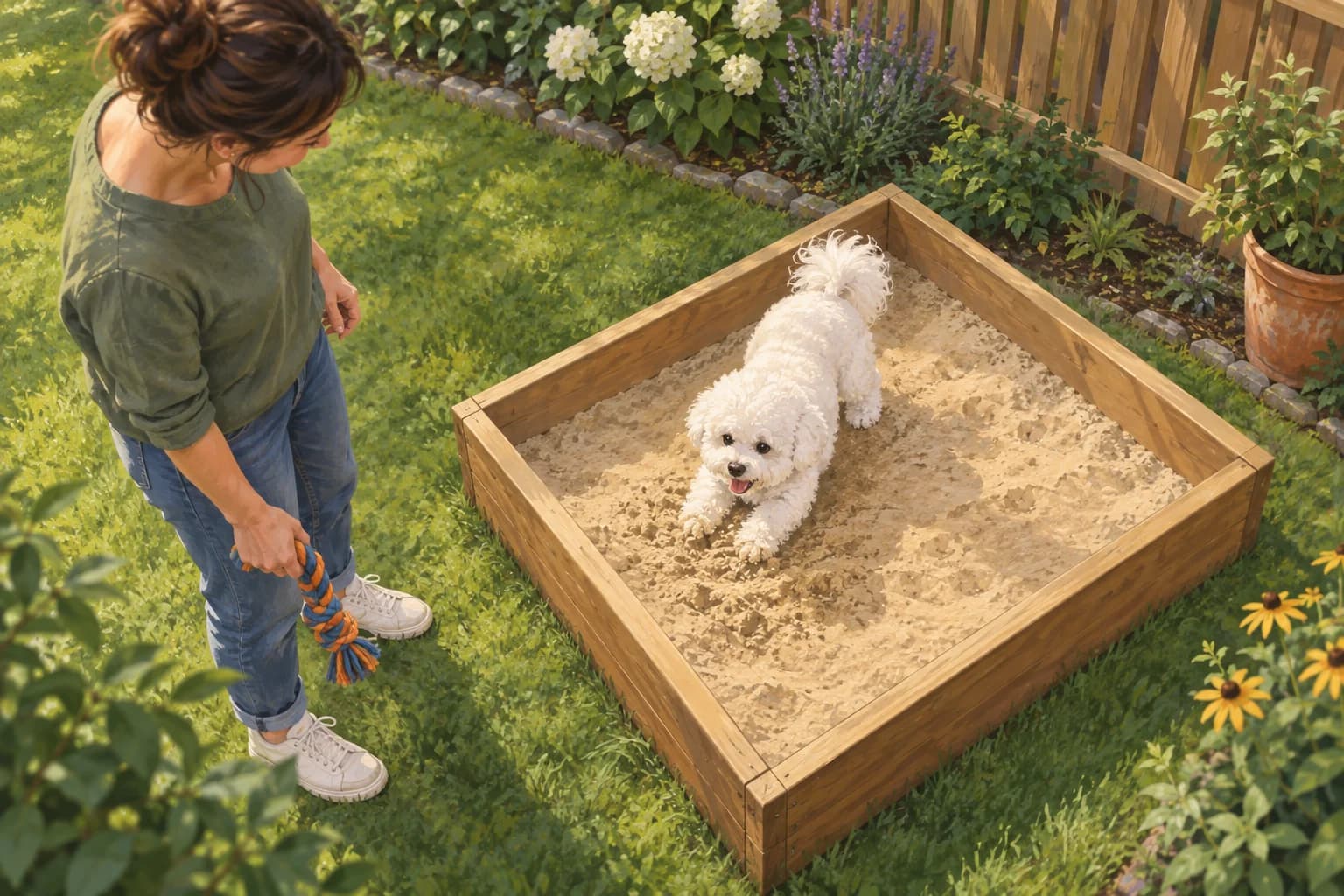
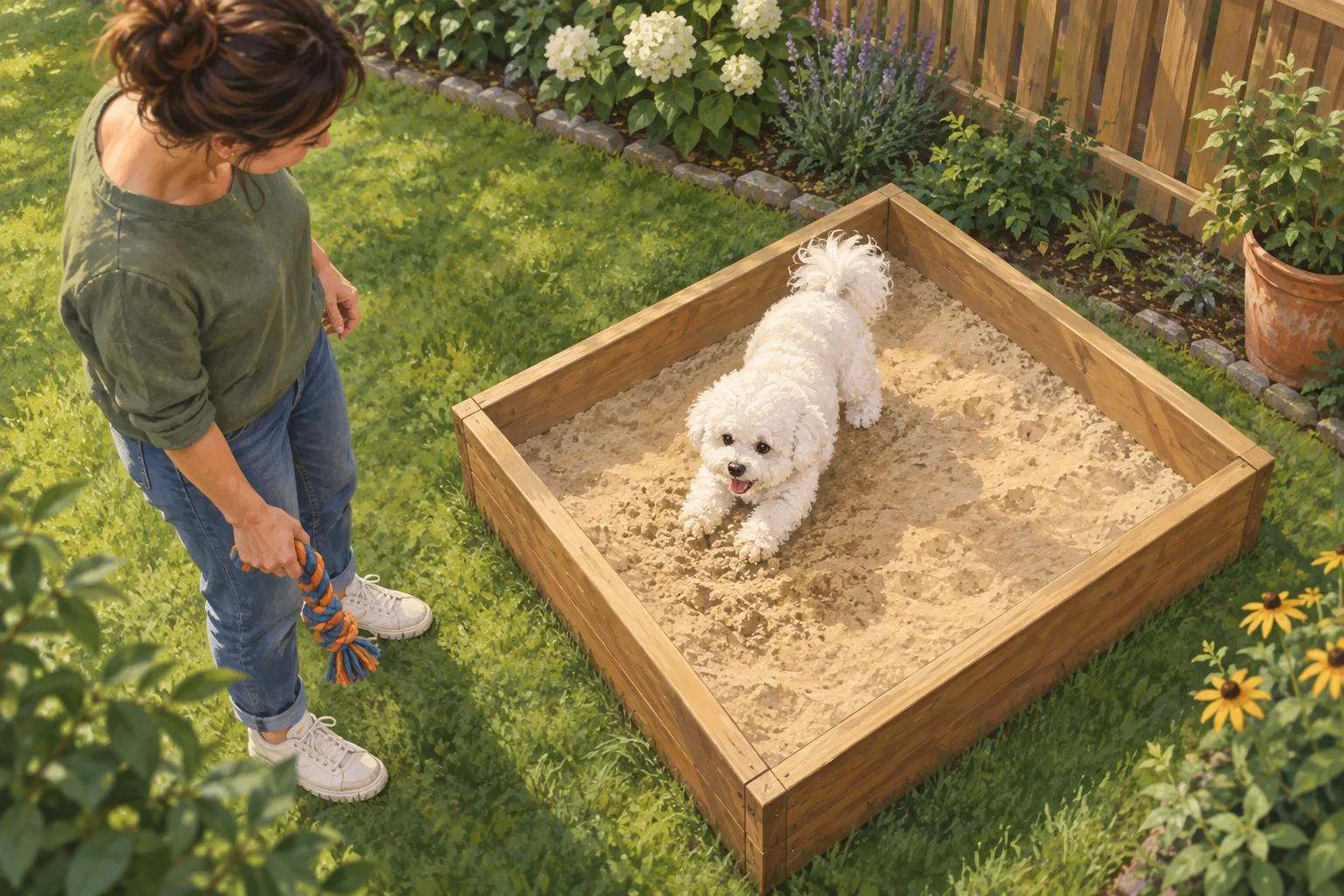
- Provide a designated dig spot (sandbox or soft area)
- Reward calm behavior near the yard
Digging‑reduction checklist
Digging Fix Plan
- Daily exercise done
- Enrichment or puzzle toy used
- Cool, shaded area available
- Dig spot provided and rewarded
Punishment increases stress and makes digging worse.
Sources consulted: General canine behavior guidance and AKC breed temperament notes.
Related guides
Explore these next for a clearer, more complete picture: